
Every other month, we collate Earth-centred inspiration from around the world; if you would like to receive updates like the below straight to your inbox, sign up here.
Greetings dear friends,
In an age where everything is decontextualized – where there’s so often a fixation on the part and a neglect of the whole – Earth Jurisprudence reminds us that we are a small part of something much greater; that we belong to the web of life.
From our kinship with flowers and forests to the power of ritual and the stewardship of seed, all of the offerings in this newsletter call us back to wholeness, situating us within our wider context of community and Cosmos. This wholeness brings healing and offers the only context from which we might navigate towards a thriving future for all species.
At this midpoint between the Equinox and the Solstice and on the cusp of a Full Moon, we invite you to pause and savour these stories and conversations. May they revitalise your sense of belonging to the community of life.
With wild wishes,
Carlotta Byrne, on behalf of the Gaia Team
African Earth Jurisprudence Collective
The Power of a Ritual Remembered
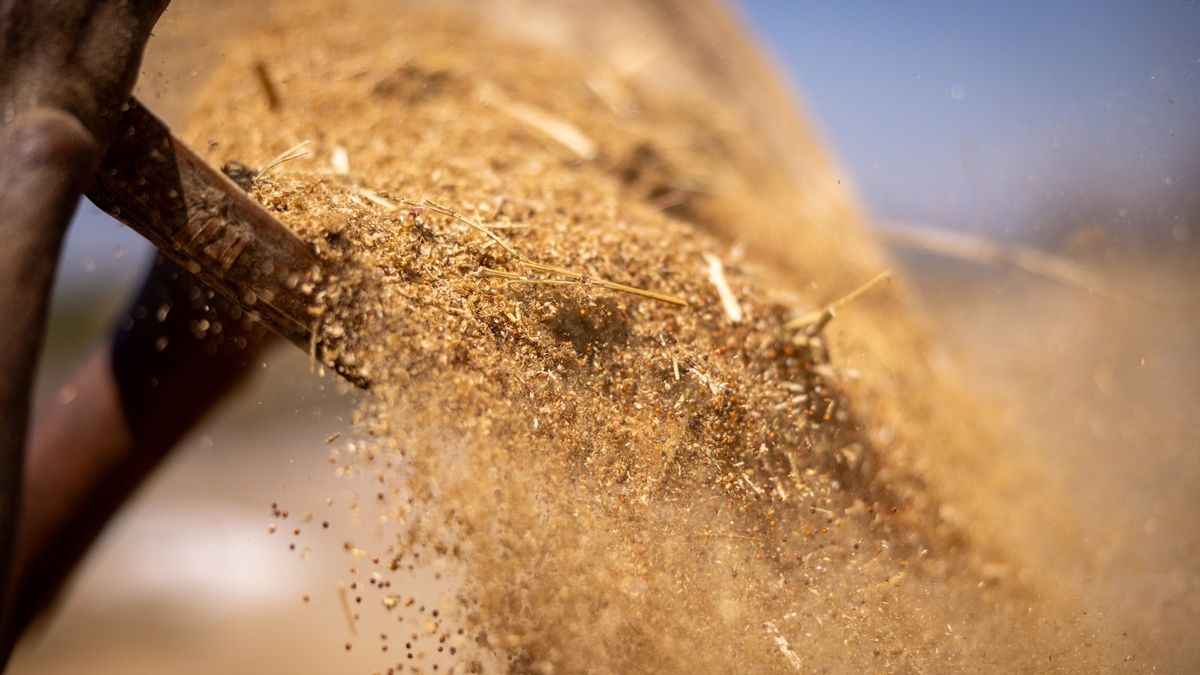
Jaka: a Shona word for collectively accomplishing that which would be impossible alone. This 5-minute film by Simon de Swardt follows the threshing of finger millet in Zimbabwe, revealing what is lost, besides nutritious food, when Indigenous lifeways are colonised.
“When people carry home collectively cleaned sacks of small, red, millet seeds that will provide food for the coming year, they carry home the satisfaction of sovereignty, of collaboration, of kinship. ‘Efficiencies’ might mean something to one man’s wallet, but the hard work of rituals means something to every individual: means every individual values the whole, and the whole values them.”
Envisioning a Thriving Future alongside the River Kithino
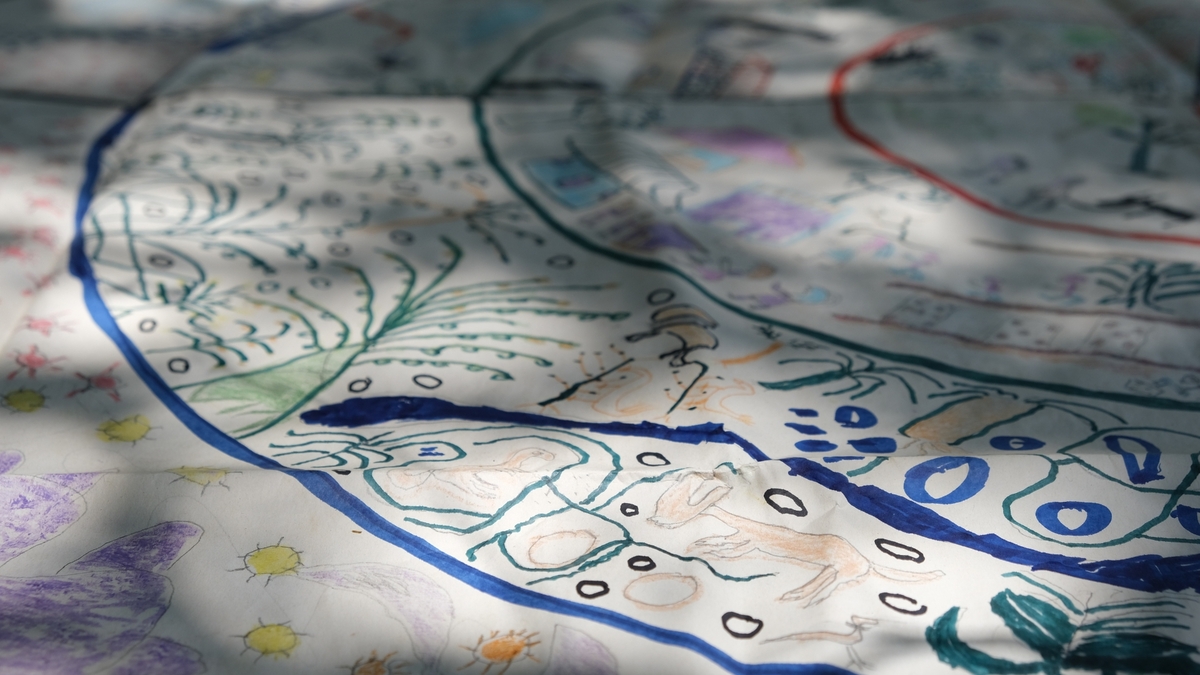
The Tharaka community from the foothills of Mount Kenya are the first in Africa to create a “Life Plan”, as part of an eco-cultural mapping methodology learnt from the Colombian Amazon. This plan has been named a “River of Life” by the community in Tharaka, after the Kithino River they dream alongside. It illustrates interdependent streams of work – to revive ancestral seed, communal grazing, customary crafts, sacred natural sites, and intergenerational learning – which together bring complex cultural and ecological systems back from the brink of extinction.
Seed and the Sacred in Kenya
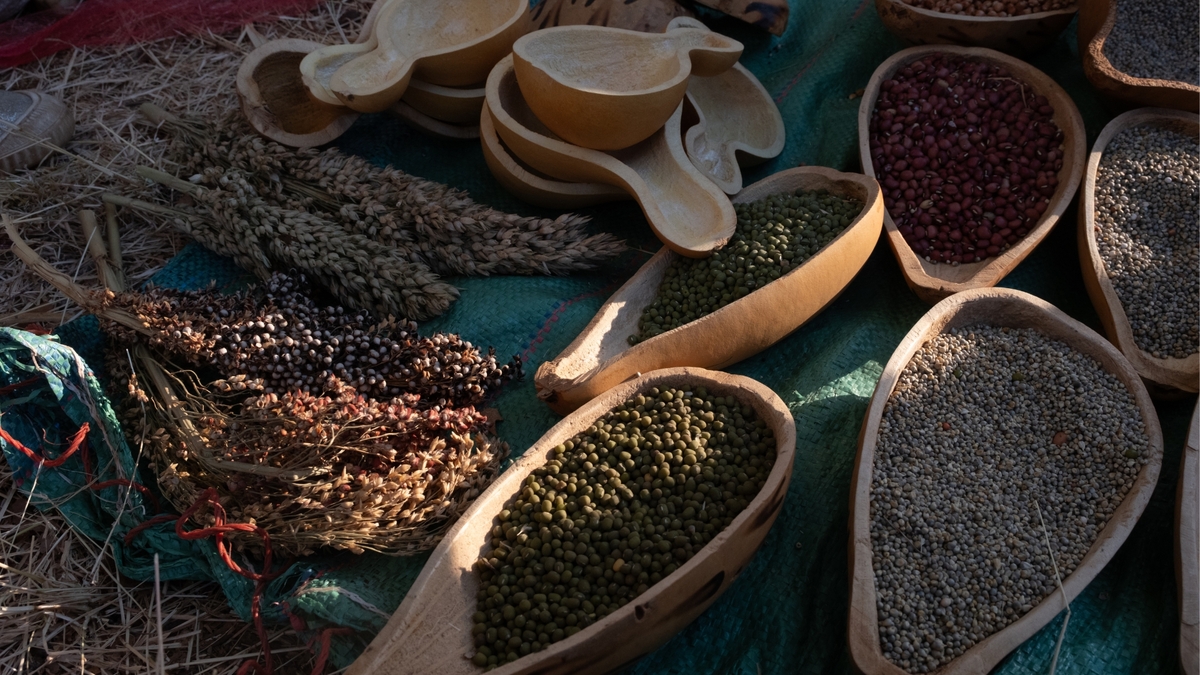
In sacred natural sites, seed banks and gathering spaces, communities across Kenya are reclaiming control over their food systems, alongside the knowledge and culture that have sustained them for millennia. Their work includes resisting, and successfully reversing, a government crackdown on the saving and sharing of ancestral crops. In this lyrical piece, Randa Toko shares memories from her recent visit to the Society for Alternative Learning and Transformation in Tharaka and Seed Savers Network Kenya in Gilgil.
I Belong to the Universe: Reflections on a Year of Earth Jurisprudence Training
“Earth Jurisprudence, as I now experience it, is a pathway of remembering and restoring our place within [the web of life]. It supports individuals, communities, and organisations who feel called to revitalise life by reconnecting with ancestral memory – remembering humans as responsible and caring participants within Mother Earth’s wider metabolism.” Sikhethiwe Mlotsha, from Zimbabwe, reflects on her first year of participation in our Earth Jurisprudence Trainings.
Kinship
How Flowers Made our World
Atmos interviews David George Haskell about his latest book exploring how flowering plants transform ecosystems in alliance with insects, birds and mammals.
“I really think we live on a floral planet… Name an important habitat today, and flowering plants are very likely either at its centre or deeply involved…. ecologically, flowers run the show. And for humans, they absolutely run the show because almost all of human agriculture is based on flowering plants.”
How to be a Mother Tree
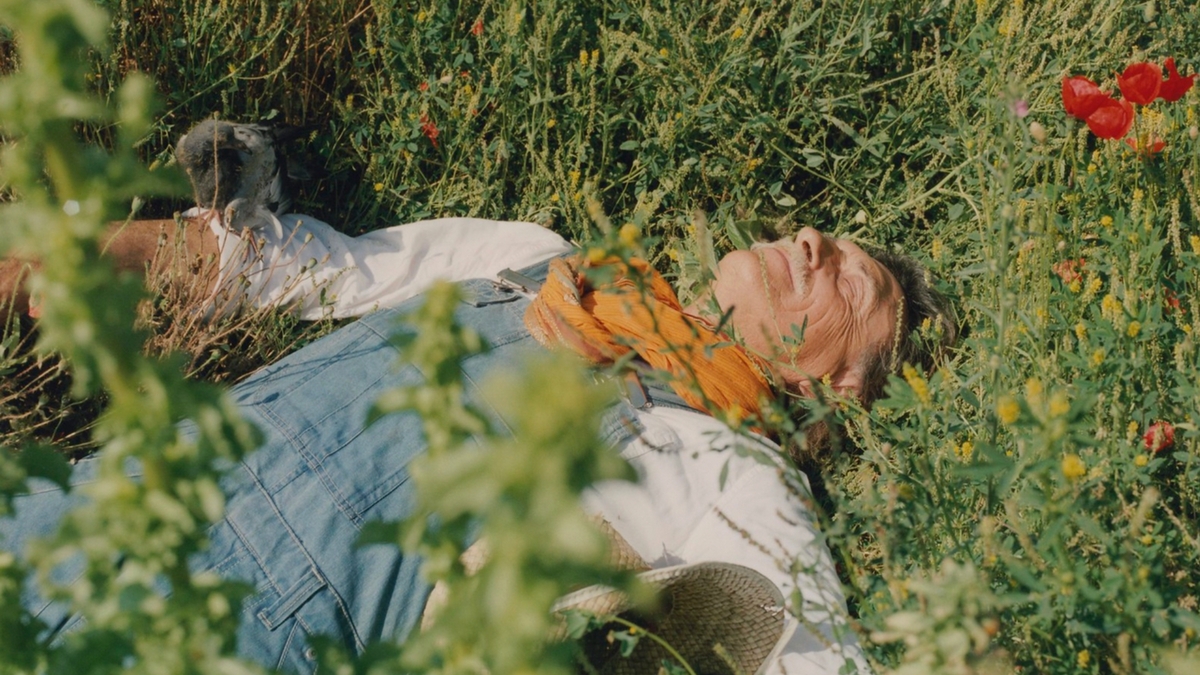
Suzanne Simard talks with Willow Defebaugh about her latest book, When the Forest Breathes.
“We’ve been around trees as long as we’ve been here, and so we’re meant to be together. The trees are literally breathing out oxygen, or creating oxygen that we are breathing in. They created the atmosphere in which we could survive and evolve ourselves… And our evolutionary history of how we’ve shaped and stewarded those forests has been a beautiful relationship, a symbiosis unto itself. But in the last couple of hundred years…[w]e’ve kind of forgotten where we came from in a sense.”
Co-creation with the More-than-Human
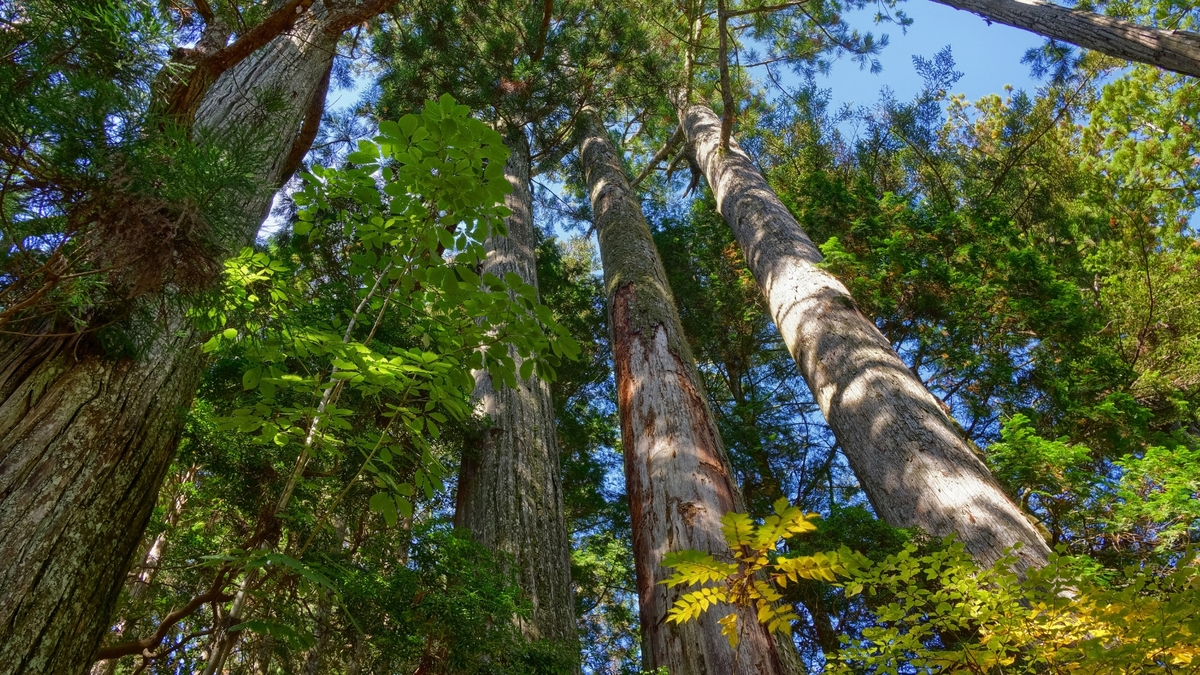
A series of learning sessions, hosted by The Repatterning Collective and Kincentric Leadership, explores what it means to engage with, represent and co-create with the more-than-human world. From the Rights of Nature to biomimicry, Interspecies Councils to Nature on the Board, each learning session has been synthesised to “form a growing body of insights into what co-creation with the more-than-human world might require, across contexts and practices.”
For those seeking to go deeper, Kincentric Leadership is offering an 11-week online course, starting May 21: Cocreating with a living, intelligent Earth.
Indigenous Governance
Tribal Rights of Nature Laws: Fulfilling Sacred Obligations
In Tulsa Law Review, Ashley Dawn Anderson offers a “comprehensive overview of Tribal Rights of Nature laws to date, examines the laws within a Tribal self-determination framework, and argues that Tribal Nations should establish Rights of Nature laws that align with their beliefs, traditions, and needs. At their core, Tribal Rights of Nature laws are acts of self-determination that create a better cultural match between Tribal legal systems and Tribal culture and tradition.”
Indigenous Water Governance Models
Intercontinental Cry reports on the emerging influence of Indigenous communities over water governance systems around the world. “Across the world, Indigenous nations are stepping forward not merely to be consulted, but to reassert responsibilities that long predate modern states… As watersheds collapse under the combined weight of climate change, pollution and over-extraction, the limits of commodified, centralised water management are becoming impossible to ignore. The challenge is whether existing institutions are willing to relinquish control, confront their colonial legacies, and support Indigenous self-determination before it is truly too late.”
Rights of Nature Developments
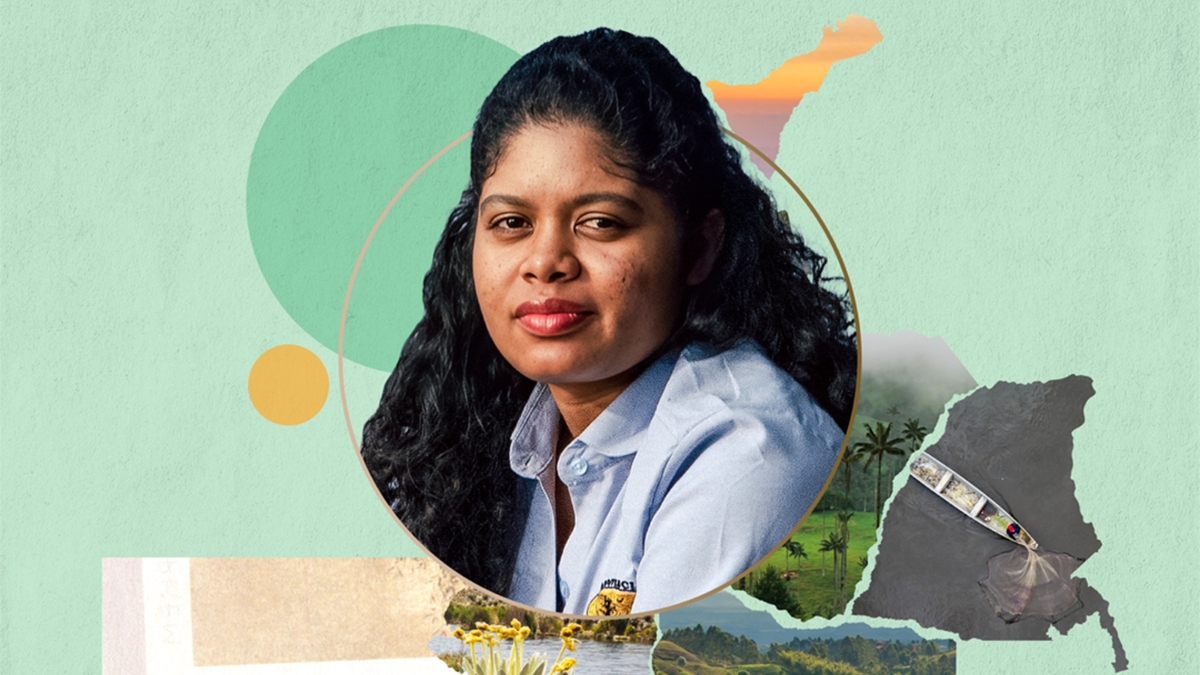
This April, Rights of Nature Defender Yuvelis Morales Blanco won the Goldman Prize for protecting Colombia’s Magdalena River from fracking. “I’m the daughter of the river, and I look at nature not as a resource, but as life itself.”
Earlier in the month, a judge in Sonora, Mexico, suspended liquefied natural gas tanker traffic in the Gulf of California in response to a lawsuit filed on behalf of resident whales.
In February, the Portoviejo River became the fifth river in Ecuador recognised as a subject of rights, with the local judge ordering multiple reparation measures and the establishment of a body of Guardians.
In the UK, the University of Sussex’s Environmental Justice Law Clinic has launched a Rights of Trees, Woodlands and Forests Toolkit.
Meanwhile, a new website for the Ocean Rights Movement offers toolkits, legal trackers, and a unifying Declaration to mobilise action for the Ocean across cultures and legal systems. “Alone we may create ripples, but together we can create waves!”
Podcast Spotlight
Coming Back to Life
Exploring the relationship between humans and the living world, this podcast asks how we might better nourish and be nourished by the wider web of life. Across three series, regenerative design pioneer Daniel Christian Wahl co-hosts rich dialogues with guest speakers including Bayo Akomolafe, Tyson Yunkaporta, Janine Benyus, Lyla June Johnston, Manish Jain, Prof. Anne Poelina, Kate Raworth and Paul Hawken.
Honouring our Ancestors
Remembering Alon Kiiza
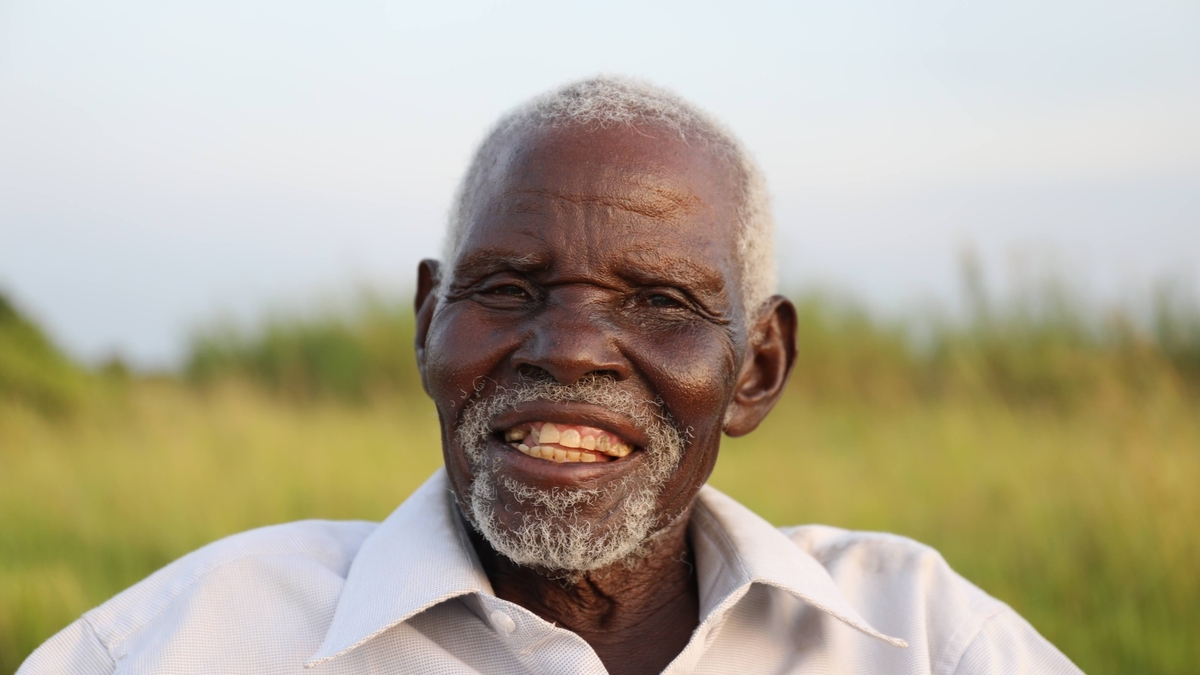
Some years back, Alon Kiiza, an elder custodian of the Bagungu clan in western Uganda, had a dream… A Sacred Natural Sites custodian, known locally as Balamansi – literally, “people who pray for the Earth”, who can interpret messages from the ancestors and from these sites and the land – Alon dedicated his final years to guiding the Bagungu community to restore their Sacred Natural Sites, revive their rituals and clan structures, and document their customary laws – and he speaks beautifully to this collective work in our mini-documentary Custodians of Life (2020) on the revival work of Uganda’s Bagungu community.