
Every other month, we collate Earth-centred inspiration from around the world; if you would like to receive updates like the below straight to your inbox, sign up here.
Greetings dear friends,
“Whether we and our politicians know it or not, Nature is party to all our deals and decisions, and she has more votes, a longer memory, and a sterner sense of justice than we do.”
Wise words from the late Wendell Berry, resounding ever deeper in the wake of his passing this late August.
How we reckon with Nature’s sense of justice remains in question, but reckon we must. From rooting in reverence to recognising Indigenous legal traditions and saying ‘yes to life’, there are many pathways. The offerings below offer inspiration as we navigate our way forward.
With warm wild wishes,
Carlotta Byrne, on behalf of the Gaia Team
African Earth Jurisprudence Collective
The Seeds of Emergence
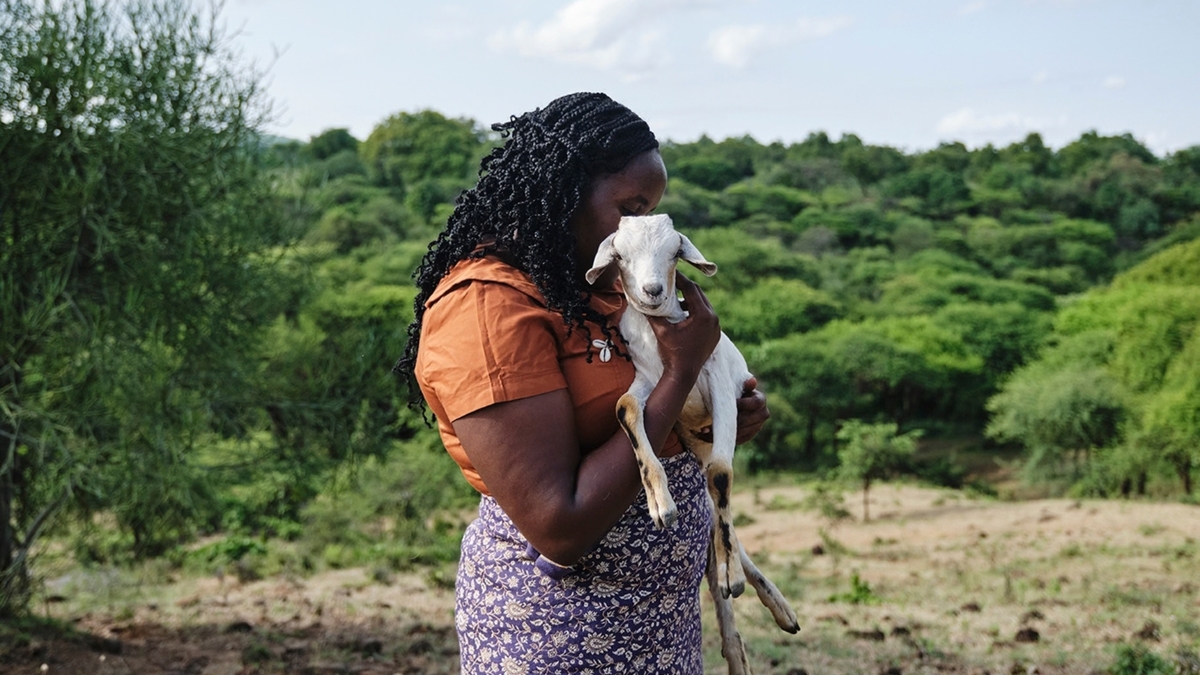
In the foothills of Mount Kenya, communities are restoring cultural and ecological knowledge through dialogue, shared practice and deep listening. Brennie Muthoni, a participant in The Gaia Foundation’s Earth Jurisprudence Trainings, reflects in Resurgence & Ecologist on how real change emerges not through command and control, but through relationships, memory and collective action.
Beyond the Rights of Nature
The Limits of Legal Personhood
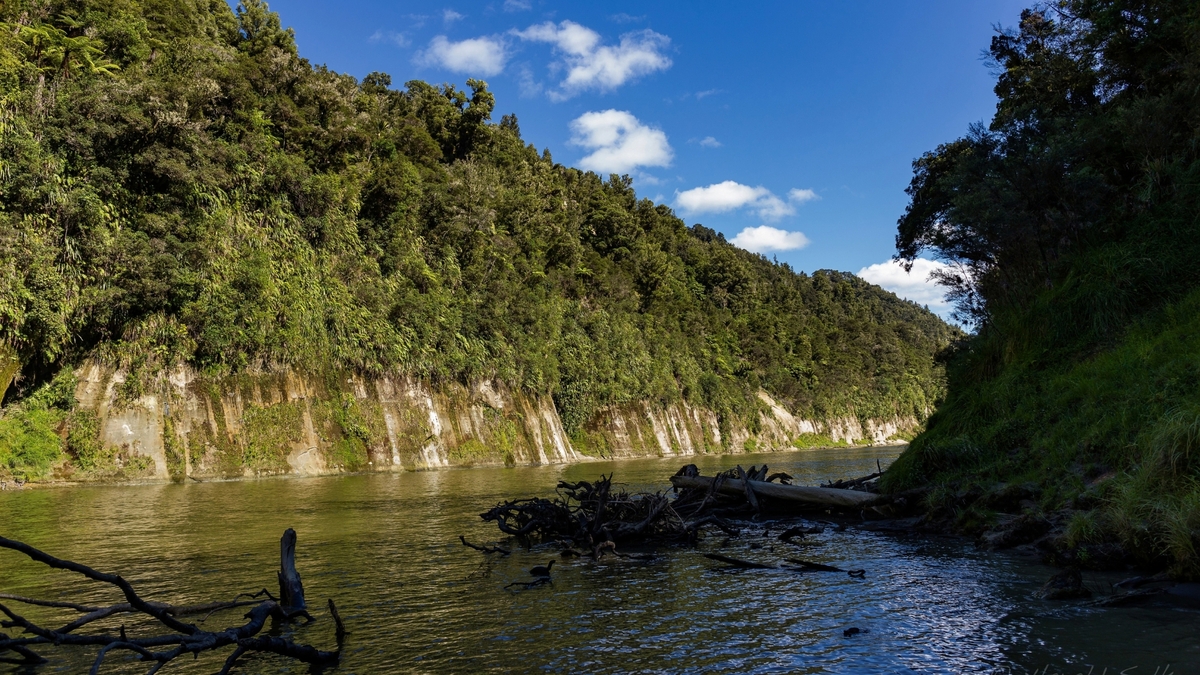
Hemopereki Hoani Simon reflects on the legal recognition of Te Awa Tupua, the Whanganui River, as a living entity: both its symbolic power and the ways in which it operates to reinforce colonialism.
“[T]he legal architecture advances a reconciliatory narrative while failing to address the deeper issue of mana motuhake or Māori sovereignty…although the river is recognised as a legal entity, the broader system of settler/invader environmental control remains intact… As Te Awa Tupua garners international recognition, there is a concern that other jurisdictions may replicate its structure without adequately considering its underlying power relations.”
Beyond the Rights of Nature: Toward an Ecosophy of Belonging
In this two-part essay, Aseem Shrivastava argues that “rights discourse presupposes separateness before relation, which risks feeding the financialisation of nature rather than healing “ecological alienation”— a deeper ontological wound that legal personhood cannot address… [T]he ‘rights of nature’ movement, however well-intentioned, may rest on a conceptual foundation too shallow to bear the weight of the enormous crisis of civilisation it hopes to address. This essay develops that critique.”
Latest Developments in Ecocentric Governance
On the September Equinox, Panama’s centre-right president championed the Rights of Nature at the UN, calling on world leaders to adopt a new non-binding treaty, building on his nation’s own national rights of nature laws.
This mid-September, Lewes Town Council in the UK unanimously approved a motion granting several rights to trees, including the right to life, to flourish, to be restored and to complete natural life cycles. “The motion, created by a number of groups working together since May, was guided by a toolkit developed by Dr Joanna Miller Smallwood, who leads the Environmental Justice Law Clinic at the University of Sussex… [T]he charter, though not legally binding, would allow [the Council] to make representations in planning decisions with the rights of trees in mind.”
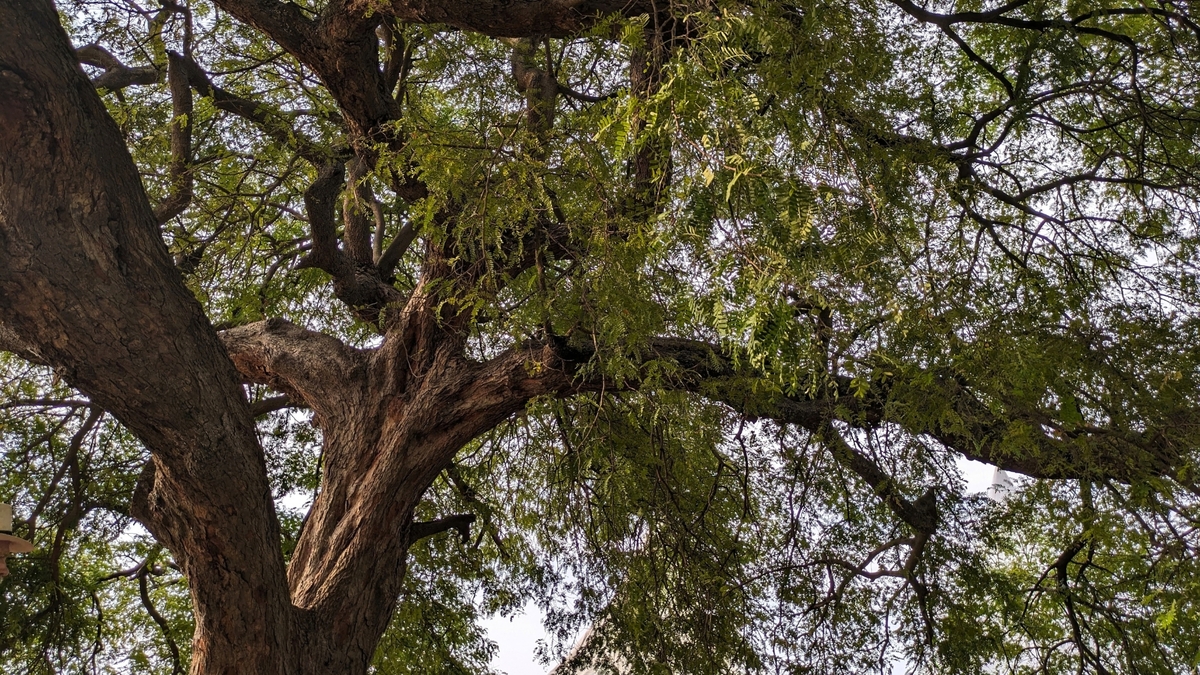
In early September, representatives from over 50 water bodies from 18 European countries gathered for the Confluence of European Water Bodies 2026, hosted by the River Spree. “For four days, rivers, lakes, lagoons, glaciers, seas, and wetlands from across Europe will gather to explore a set of shared questions: How can we learn to live with water differently? What responsibilities emerge when we recognise aquatic ecosystems as living entities? And how do we build cultures of care around water?” Lagoonscapes: The Venice Journal of Environmental Humanities is a collection of essays from the artists, activists and academics, water people who animate the Confluence of European Water Bodies network here.
In mid-August, the Madras High Court in India declared Tamil Nadu’s Tamirabharani (Porunai) river a deity and legal person, marking ‘a significant revival of India’s eco-centric jurisprudence after earlier judicial setbacks’.
“The future of rivers lies not only in the courtroom, but in the territories themselves: in the communities, movements and peoples who are already living or imagining ways of living and governing that recognise rivers as part of a living world to which we belong and towards whom we have responsibilities.” Read Shrishtee Bajpai and Ashish Kothari’s analysis, Another Court Grants ‘Rights’ to an Indian River but that Doesn’t Address our Disconnect from Nature.
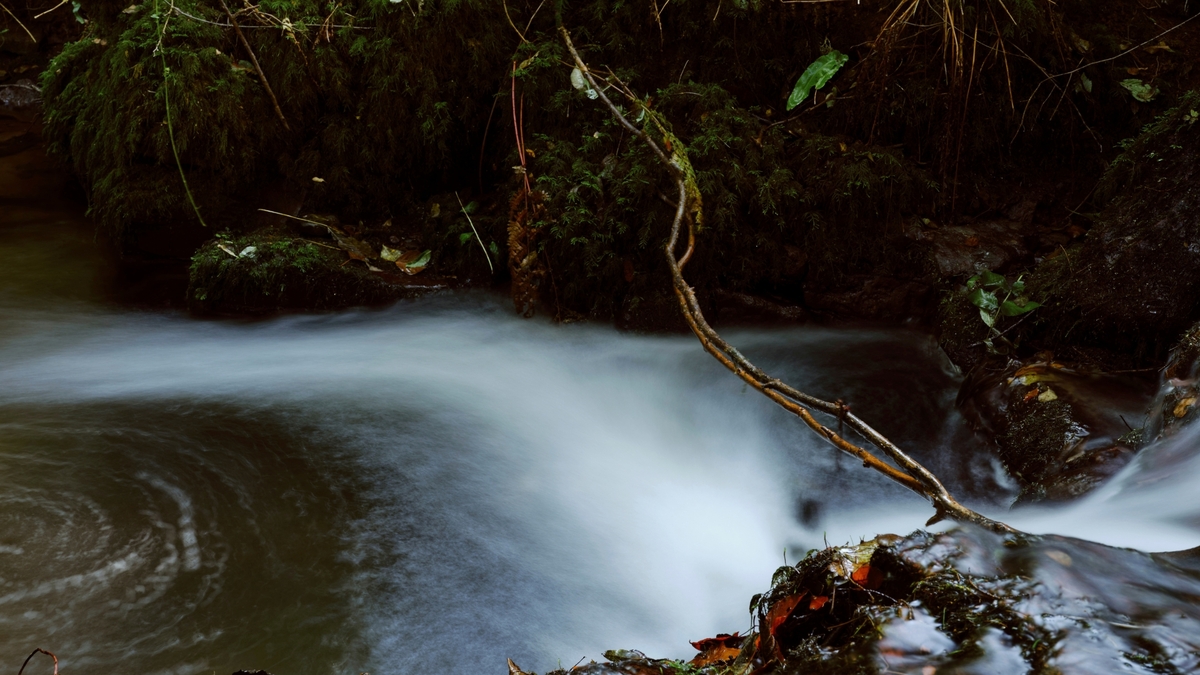
Meanwhile, in Ecuador, a local court ordered the immediate suspension of all mining activity in the Ortega River basin, ruling that mining activities violated the rights of nature of the Ortega River. An appeal was subsequently filed and the case sent to the Provincial Court.
In mid-July, the Scottish Association for Marine Science appointed the ocean to their board. For those wanting to explore further, Dominique Hes charts the rise of Nature on the Board, listing 45 global initiatives here.
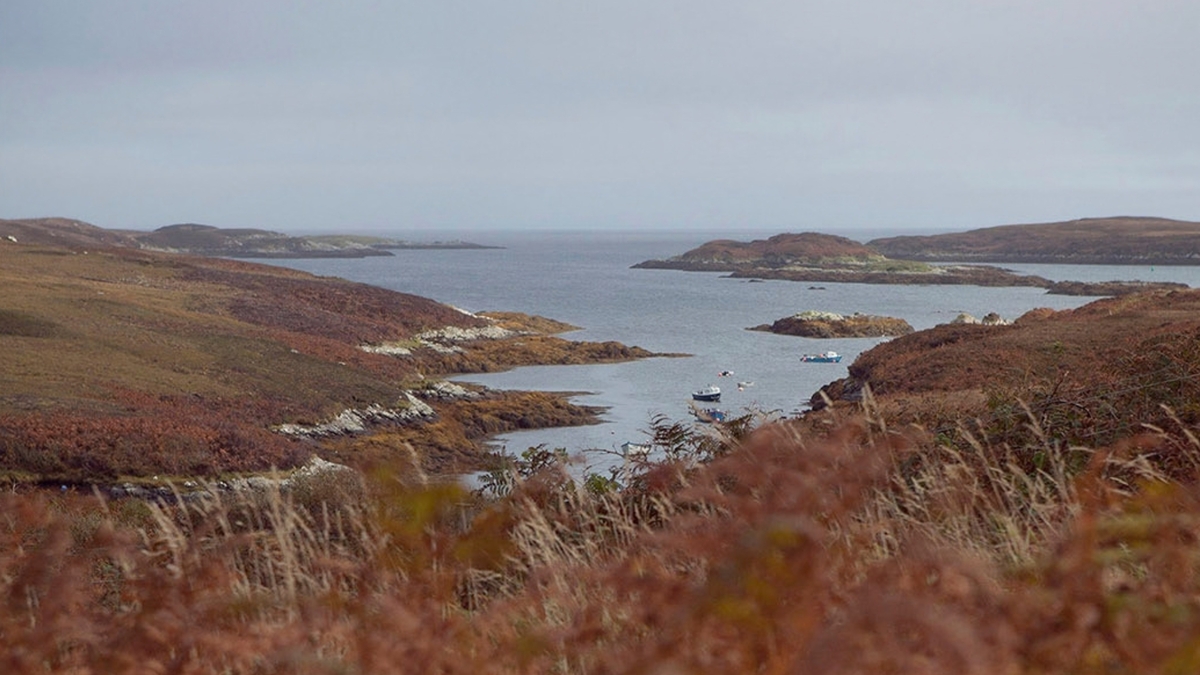
Rooting in Reverence
Sacred Revolt: Why Reverence before Restraint Transforms the Limits-to-Growth Predicament
Samuel Alexander argues that “the ecological crisis cannot be understood adequately as a merely technological or economic problem requiring restraint alone, but must instead be recognised as a deeper spiritual and existential crisis rooted in the disenchantment and desacralisation of the modern world… [E]cological civilisation will remain politically fragile unless humanity rediscovers forms of sacredness through which restraint ceases to appear merely as sacrifice and instead becomes an expression of care, fidelity, and love for the living world”.
Wild Kin
The Territorial Rights of Wild Animals
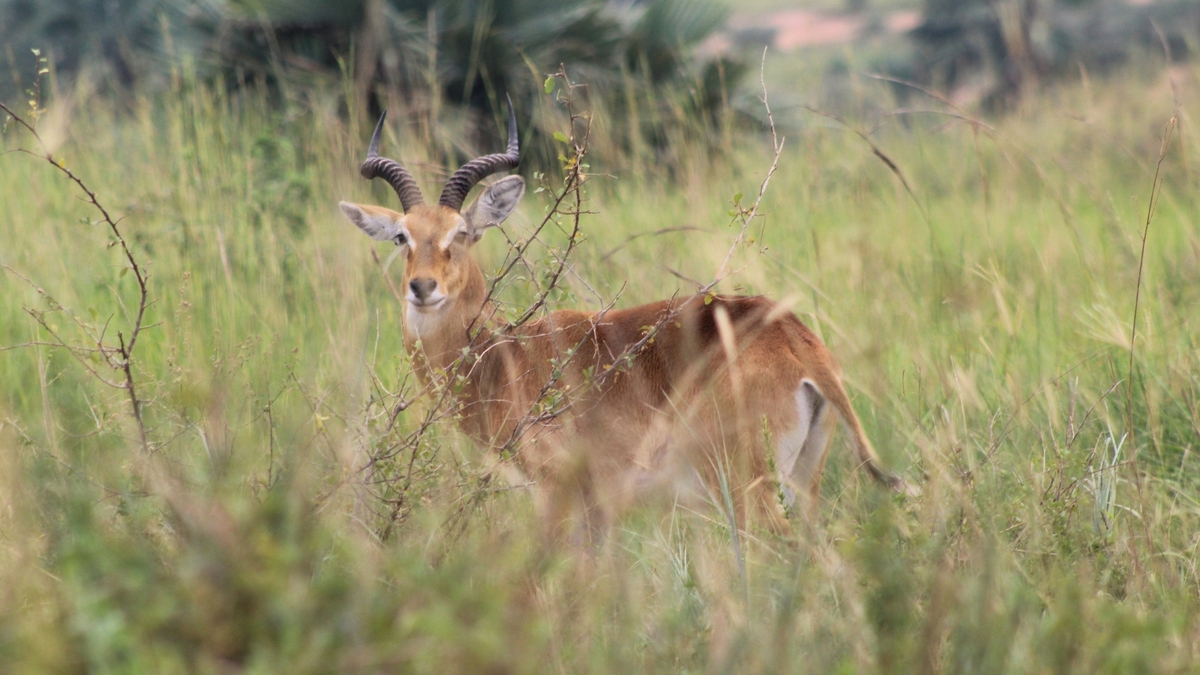
Pablo Castello discusses his recent paper, highlighting the “rich lives of animals” and how “we should understand some wild animal communities as animal nations whose cultures, identities, and forms of social organization are so tied to their territories, and so morally and politically important, that they place duties on us humans to respect their territorial rights”.
Beyond Extractivism
How we say YES to LIFE
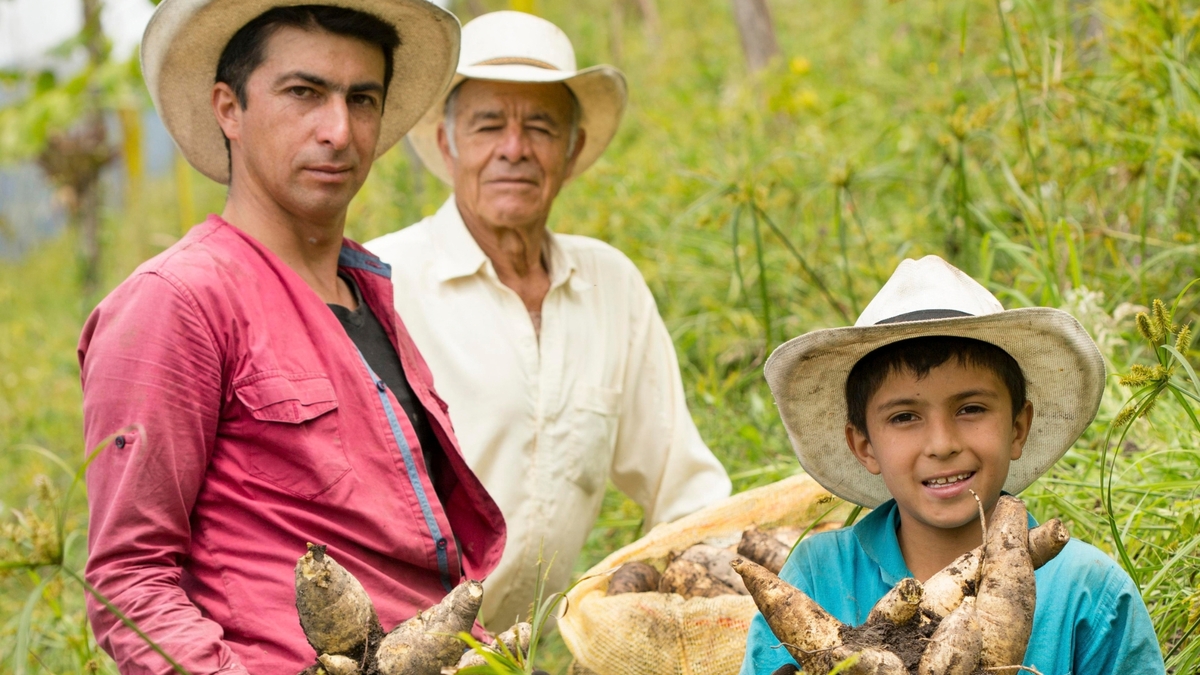
This latest Position Paper from Yes to Life, No to Mining (YLNM), explores how across the world, communities resisting mining are not only saying no to destruction, but yes to life.
“In a world where all futures are at stake, and where we cannot rely on top-down, capitalist and market-driven solutions to our intersected crises, it is essential to bring forth stories from the grassroots and extractive frontlines which help us to collectively imagine post-extractive futures.”
YLNM is a global solidarity network of and for Indigenous Peoples, impacted communities, local organisations, and networks who are standing up for their right to say No to Mining and to advance life-sustaining and post-extractive futures. Earlier Position Papers include Why we say No to Mining and From Extraction to Regeneration: Towards Just Transitions for People & Planet.
Rewilding our Worldviews
Thinking Like Gaia
“Cards for Life is much more than a deck of cards; it’s a connected way of seeing the world. A set of key concepts for ‘Living Systems Thinking’ that shifts our focus from ‘objects’ to ‘relationships’, helping us to regenerate the connections between self & world, humans & nature.”
Creator Tom Mansfield runs regular trainings, and a global community of regenerative practitioners has grown from the organic spread of the Cards for Life – We Are Gaia – an association of stewards and practitioners bringing a living systems worldview into the mainstream.
How a Child’s Relationship with the Living World Shapes Who They Become
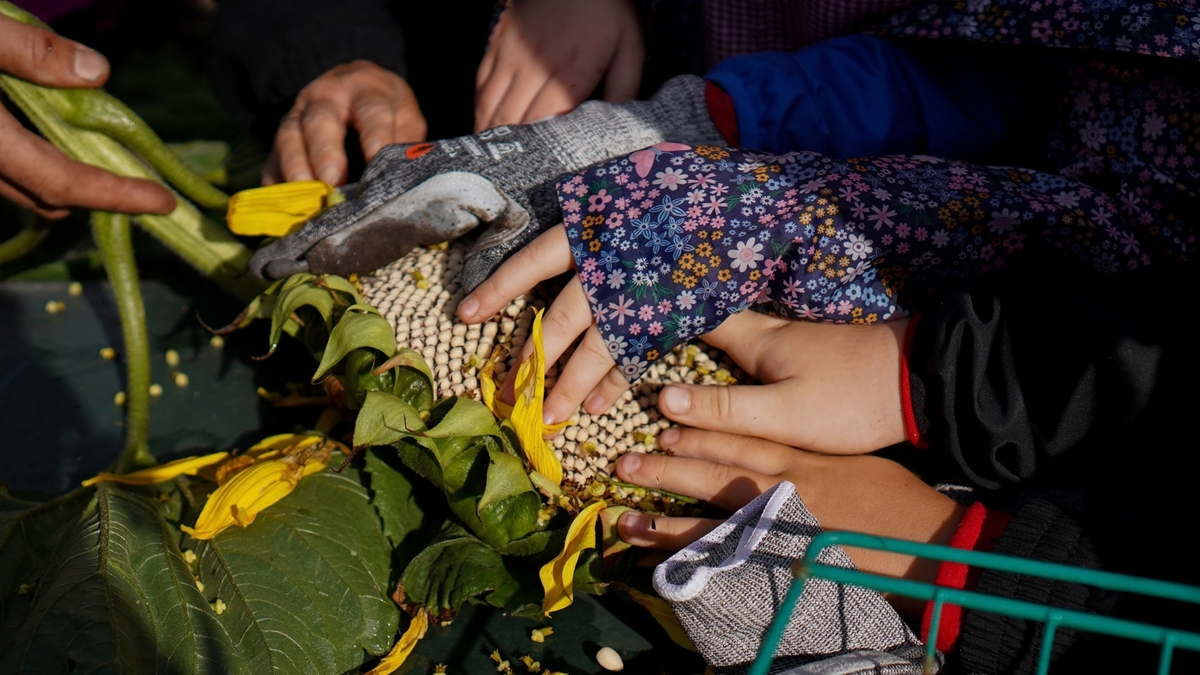
In an article written for Vikalp Sangam, Mihir reflects on children’s early lives as natural explorers and how “somewhere along the way, that curiosity quietly disappears, replaced by fear, disgust, or simple indifference… A child who has crouched beside an ant and truly looked — who has drawn a beetle’s wing, who has felt in their own body something of what it is to move through the world as a small creature — that child is less likely, as they grow, to see the natural world as a backdrop to human activity, or as a collection of problems to be managed. They are more likely to see it as a neighbourhood, full of lives running alongside their own”.