
Every other month, we collate Earth-centred inspiration from around the world; if you would like to receive updates like the below straight to your inbox, sign up here.
Greetings dear friends,
In a dominant culture with a rapacious appetite for more – ever more – what do we need to shed for transformation to take root? After all, we only need to walk in the woods to see that the falling away phase of the forest cycle is vital for the flourishing of life; this is how light passes through the canopy and soil is nourished.
Our latest Earth Jurisprudence Update is as much about metabolising systems of oppression as seeding life-affirming alternatives. Crucial to this work is repatterning our perception or, in the words of Thomas Berry, learning the “green language” of seasonal cycles and ecological rhythms. This prepares the ground to cultivate deep-rooted transformation so that we’re not simply planting new ideas into hostile terrain.
Whether sloughing off our human forms – sensemaking with the eyes of a kestrel and the whiskers of an otter – or recognising the rights of our local trees, we are reminded that “we don’t need more ecological ideas, we need ecological selves.” This is how we nurture the healthy soils within which a forest of Earth-centred futures can unfurl.
In solidarity,
Carlotta Byrne, on behalf of the Gaia Team
Repatterning our Perception
Thomas Berry and the Forgotten Language of the Living Earth
Writing for the Daily Maverick, Don Pinnock elaborates on Thomas Berry’s insight that the Earth is the “primary text”:
“Berry often spoke of rediscovering a kind of “green language”. This isn’t a literal vocabulary but a form of attentiveness that allows the patterns of the living world to become intelligible again… Learning this language requires observation: noticing seasonal rhythms, ecological interactions and subtle environmental changes. It also involves imagination, intuition – capacities through which people historically experienced their surroundings.”
Deep Ecology
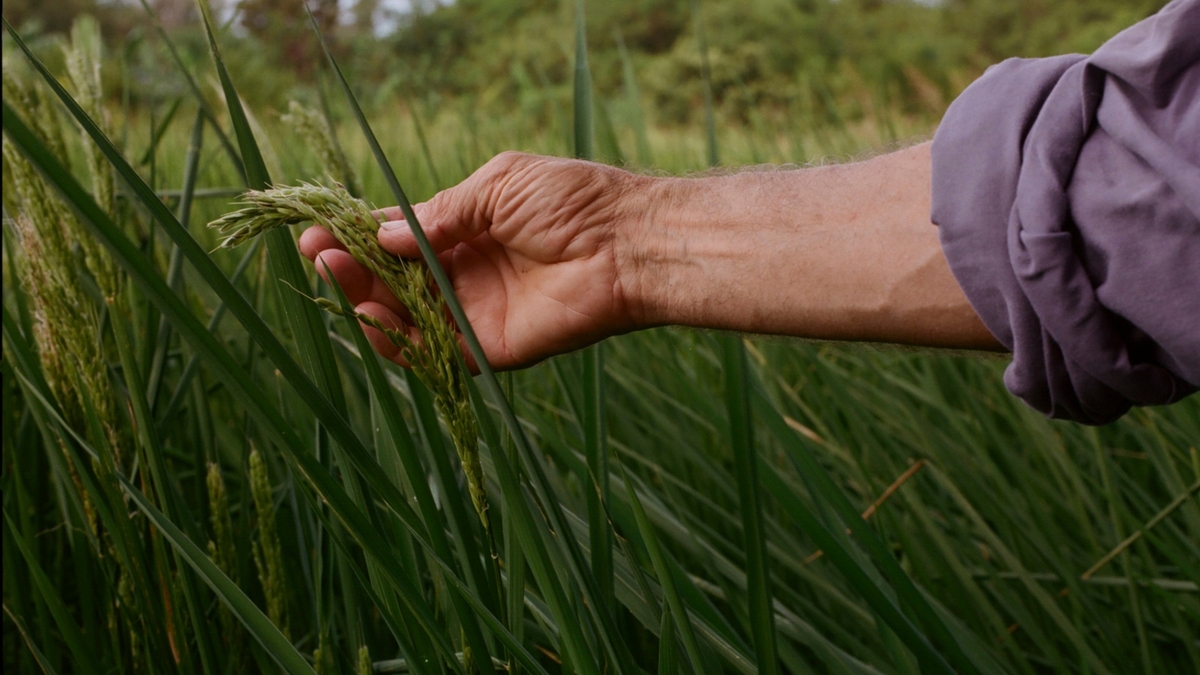
In this poetic podcast episode, Rachel Donald of Planet: Critical hosts John Seed, a longtime environmental activist who has been instrumental to the Deep Ecology movement.
“We don’t need more ecological ideas, we need ecological selves. That’s the message of this week’s guest, John, [who] joins me to explain exactly what Deep Ecology can offer us—a sense of place, time and connection in a world coming apart. He walks us through the philosophy and multiple exercises, revealing how our coming together with the world around us can also help us come together as people—to grieve, to love, to be.”
Falling in Love with the Future
Global Tapestry of Alternatives: People’s Bandung Declaration
Grassroots movements from across the Global South gathered in Indonesia in early April to cross-pollinate life-affirming alternatives to the juggernaut of Modernity.
“We gathered with another horizon in mind: not a future shaped by the nation-state or the imperatives of development, but one grounded in dignified and meaningful lives, the plurality of ways of being, knowing, existing, and relating to the world, and relations of commonality, solidarity, and care among human and more-than-human life…. We seek a pluriversal horizon — a world where many worlds fit.”
How to See a Future Worth Living in with Rob Hopkins
“In a culture that puts many of us in constant states of anxiety and stress, what happens to our ability to imagine and dream of the future? What would it take for more of us to feel, not just intellectually understand, that a lower-energy, more localised future could also be a more beautiful one, if only we plant the seeds for it to grow? And if the tools for building more local, resilient futures already exist, but the first step is to create a sense of longing for them, then what gap does that open up in each of our communities today to start putting these ideas into action?”
Nate Hagens speaks with Rob Hopkins, author of How to Fall in Love with the Future: A Time Traveller’s Guide to Changing the World.
Multispecies Justice
River Tone, UK: Volunteers ‘Live’ as Somerset Animals to Study Wildlife Risks
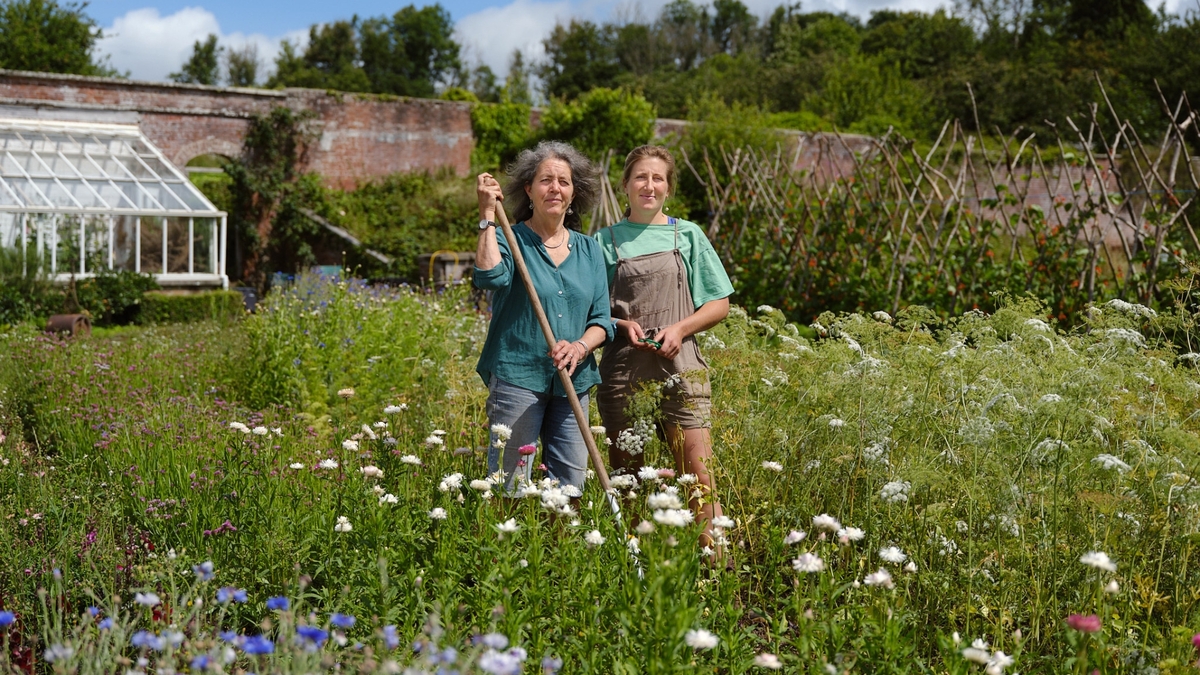
“Eighteen people have spent six weeks swimming, slithering and soaring as otters, salmon, earthworms, red deer and kestrels in an attempt to better document the risks for wild animals in our human-dominated landscape. The volunteers were trained to experience distinctive animal ‘umwelts’ and report back on the reality of being a non-human animal trying to survive around the River Tone in Somerset, England.” The Guardian reports on a pioneering research project, Risks Beyond Human Eyes, which feeds into a second phase: a plan to revitalise the wild River Tone. You can find the project’s Animal Collaboration Guide here.

Reimagining Democratic Systems with More-than-humans
Drawing on a dialogue organised by Living Imaginaries and the Centre for Deliberative Democracy, this thought piece argues that “reimagining democracy requires moving beyond representation toward more relational forms of governance…. A key challenge to dominant democratic models of representation comes from Indigenous relational perspectives; the challenge is not to include nature within existing democratic structures but to transform democracy itself.”
Rights of Nature Updates
In June, the municipality of Terrasse-Vaudreuil in Quebec, Canada, adopted a resolution that recognises the principles of the Universal Declaration of the Rights of Trees and trees “as living entities deserving of protection, including the rights to life, natural growth, integrity, and regeneration.”
In late May, a court in Ecuador ordered the revocation of 17 mining concessions in the Ortega River basin, ruling that mining activities violated the Rights of Nature among other rights. The court appointed the Intercultural Community of Ortega Alto as the legal guardian of the Ortega River with responsibility to monitor, protect, and guide the river’s ecological recovery.
In May, a European Citizens Initiative was submitted seeking to recognise the Rights of Nature in European law to strengthen the protection of ecosystems. From autumn 2026, one million signatures will be sought to bring this demand before the European Commission.
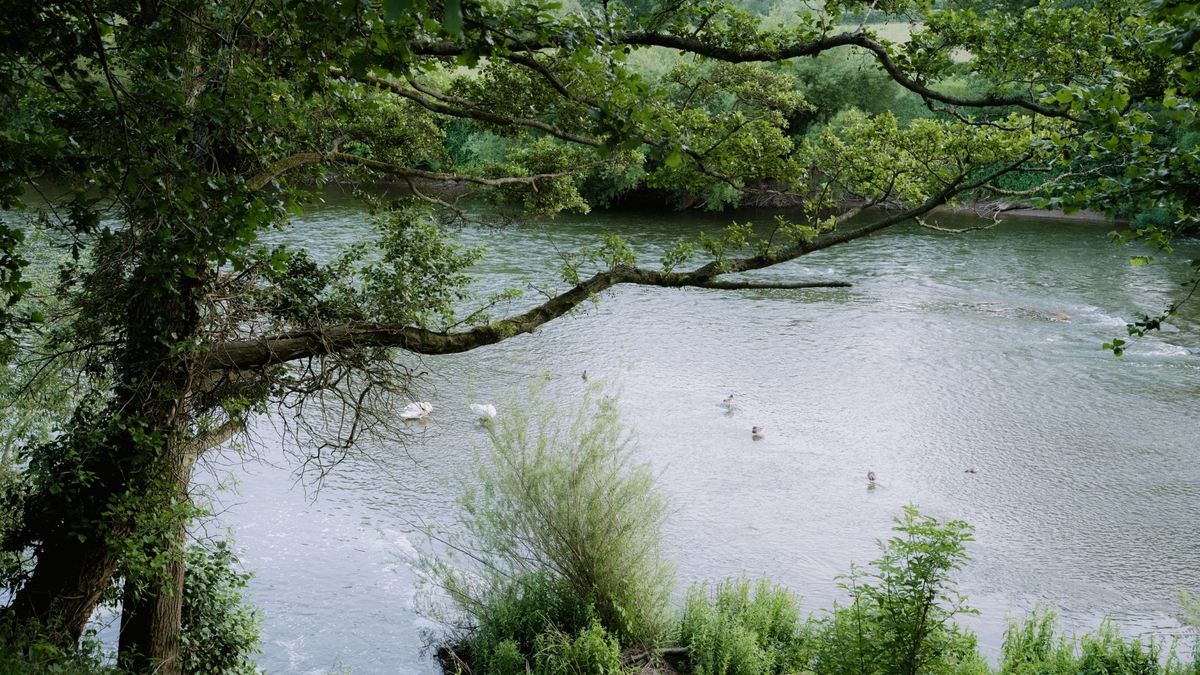
Also in May, a Charter recognising the Rights of the River Wye was launched. “Believed to be the first full catchment River Charter in the UK and the first Rights of River framework for a Welsh river, the Charter has been developed collaboratively across the catchment”. This follows the news in late April that Maidstone Borough Council became the first council in the UK to formally adopt a Rights of Nature framework. Meanwhile, the UK Nature’s Rights Bill was reviewed in its Second Reading in the House of Lords on 3rd July and now moves to Committee. Find out more about how you or your organisation can support the Bill here.
Meanwhile, a new report from Stockholm Environment Institute (SEI) warns of the potential constraints to Rights of Nature initiatives, affirming community agency and guardianship as critical, as well as the inclusion of local knowledge and institutional support, noting “The implementation of rights of rivers unfolds within existing governance systems shaped by historical and colonial legacies, anthropocentric paradigms and institutional fragmentation. Without deliberate efforts to address these structural constraints, the legal recognition of rivers as rights-bearing entities risks remaining a symbolic framework rather than becoming a transformative one.”
Ecological Law
Ecological Civilisation: Is a New Copernican Revolution Already Under Way?
“Copernicus displaced Earth from the centre of the universe. The revolution now gathering force would take humanity out of the centre of the living world—not to diminish us, but to restore us to our proper place within it.”
Jeremy Lent explores the all-pervasive ideology of human supremacy and the potential of a legal paradigm shift towards ecocentric governance as the “early tremors” of a new Copernican Revolution. “Whether that revolution unfolds in time is one of the most consequential open questions of our age.”
Jeremy Lent’s latest book, Ecocivilization: Making a World that Works for All, elaborates on this theme and many other contemporary movements seeding alternative pathways toward a life-affirming future.
Exploring Bioregional Law
In this webinar from the Australian Earth Laws Alliance, Dr Michelle Maloney is joined by Karie Crisp, introducing ‘Bioregional Law’ and sharing highlights from their recent co-authored chapter, Bioregions and Earth Laws.
“While First Nations Peoples have practised bioregional and biocultural governance for millennia, many modern industrialised societies are only now rediscovering and experimenting with bioregioning, and learning how nature can be a guide for sustainable human societies.”

Interconnected Law
In Spring 2026, the most up-to-date materials on Interconnected Law were released digitally on behalf of researcher Alex May following his medical retirement.
“The approach is designed for anyone working within or about the law. It provides a framework to apply a socio-ecologically holistic paradigm to specific legal domains and policy areas. The argument is not that law should be the only way we seek just transitions, but that law itself must be transformed to address injustices and catalyse broader political and social shifts.”