
December 1st marked a critical moment in advancing Earth-centred governance for the world’s southernmost area: Antarctica. Through music, poetry, art and debate, individuals and organizations from Amsterdam to San Francisco, Cape Town to Auckland, the Pacific Islands and beyond, heralded the launch of a new global alliance.
“Antarctica is powerful and enduring, but is also fragile and vulnerable to human pressures. There is a point where human interference with nature must stop—and Antarctica is marking that limit.” (Dr. Ricardo Roura, Senior Adviser, Antarctic and Southern Ocean Coalition)
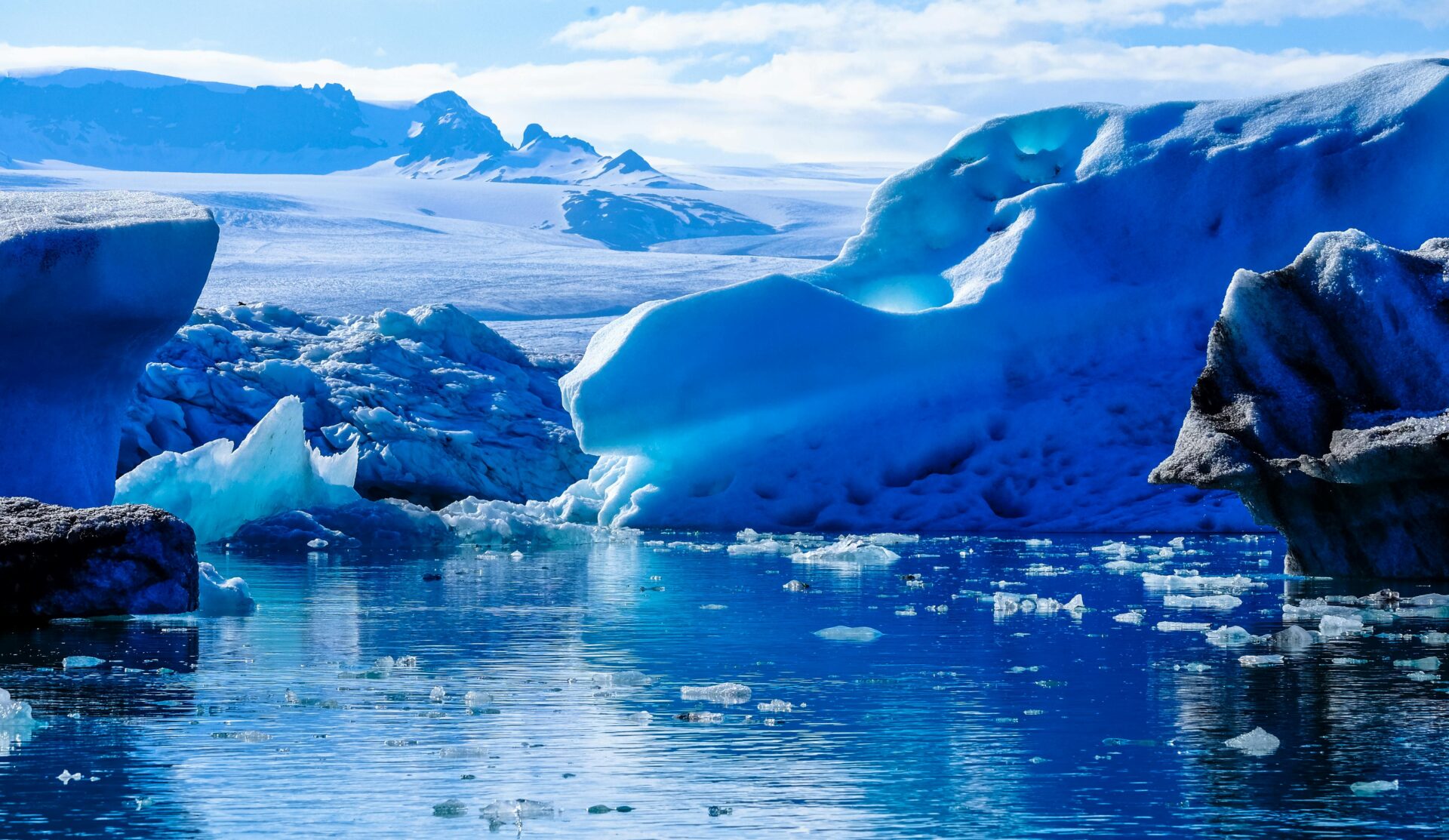
Ice by Francesco Ungaro
Often called the ‘white continent’, Antarctica holds 90% of global ice, drives ocean circulation and regulates global climate. The ongoing destabilization of Antarctica’s ice sheets has the potential to trigger catastrophic sea-level rise and disrupt weather systems worldwide. Indeed, Antarctica’s future is inseparable from the health of the planet and the well-being of all communities, human and more-than-human, connected through climate, oceans, life systems and more.
And yet, Antarctica and the Southern Ocean – living entities, covering 10% of the surface of the planet, vital to all life on Earth – are voiceless in decisions that determine their fate.
“Antarctica is the only continent that has no native human populations; yet, it is brimming with life and plays a key role in the maintenance of key earth systems. Politically, like no other place on earth, Antarctica has not been subject to continuous human occupation or to resource exploitation, and states have shown an unusual dose of restraint and will to cooperate. At the same time, because of climate change, Antarctica is one of the most affected places on the planet.
For me, this makes Antarctica a symbol of what can be achieved when humans are willing to work together rather than follow their narrow interests, but also a symbol of our interconnectedness as a planet: we cannot govern Antarctica adequately just by acting in Antarctica; and we cannot govern the rest of the world in abstraction of what happens south of 60 degrees South.” (Alejandra Mancilla, Antarctic philosopher. Professor of philosophy, University of Oslo)
-

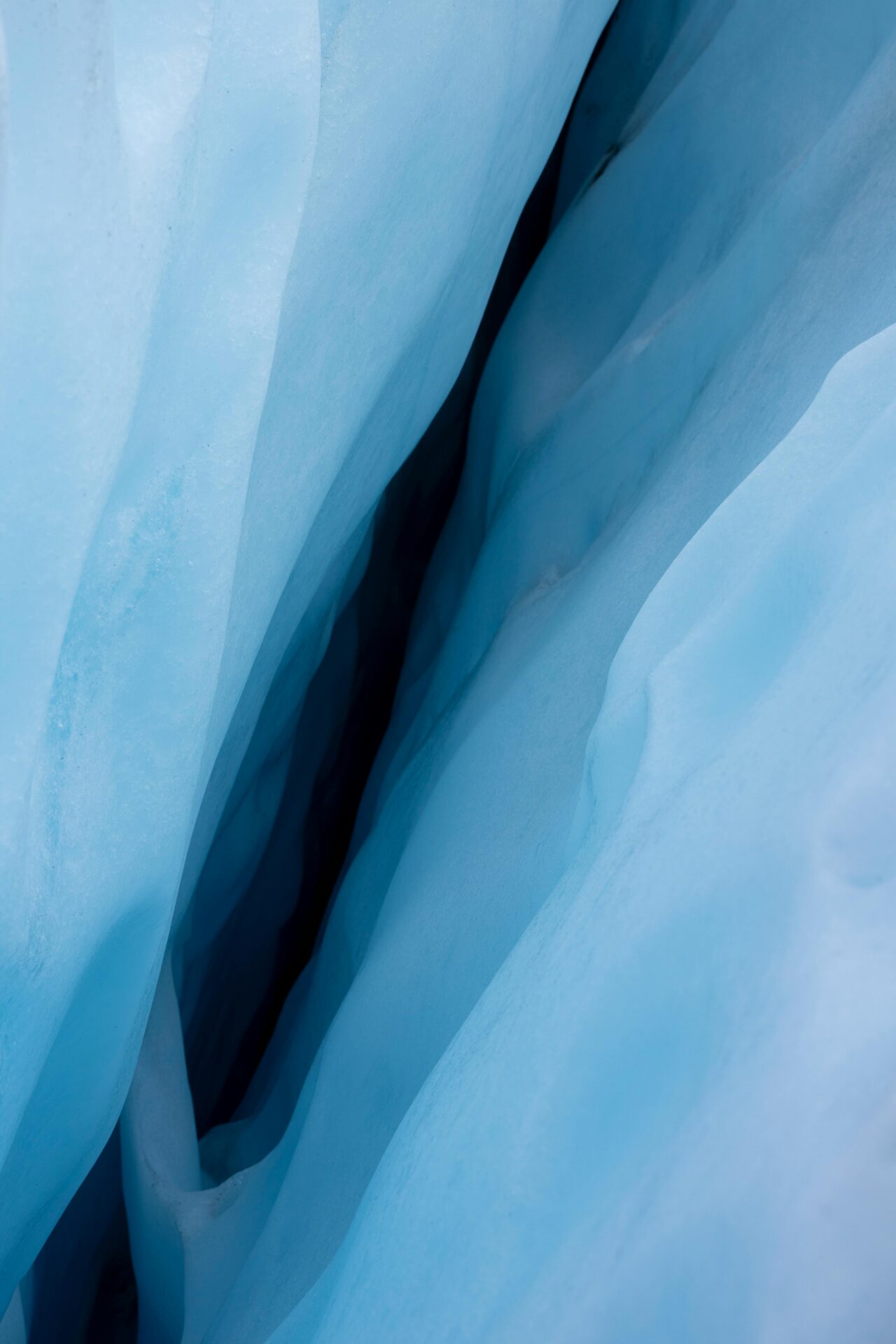
- Crevasse by Jonas Robrecht
-
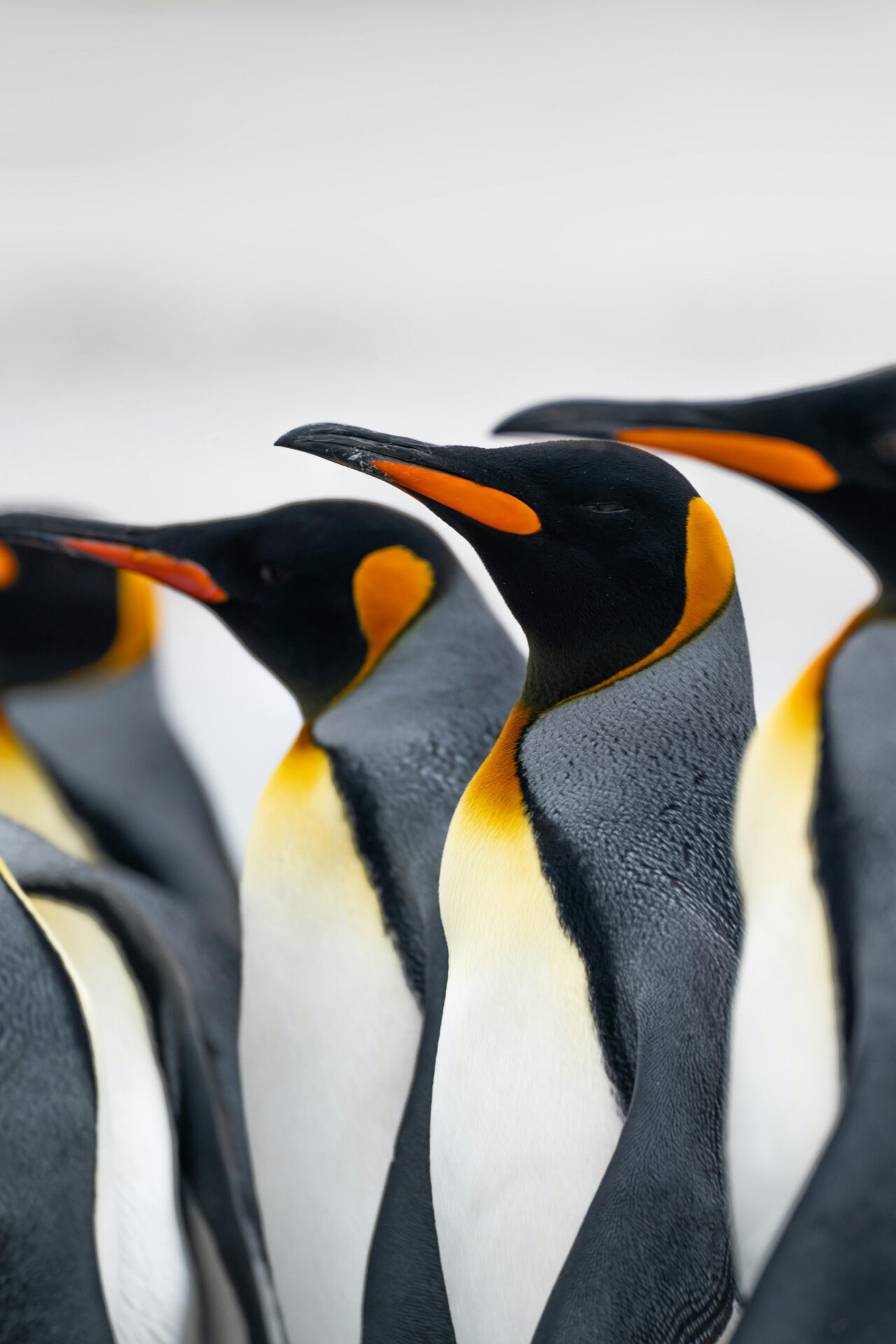
- Penguins in Antarctica by Nico-Marin
As a founding member of the Antarctic Rights Alliance, we are proud to join scientists, Indigenous Peoples, lawyers, creatives and campaigners in calling for the recognition of the rights of Antarctica and the Southern Ocean. The alliance has been incubated by the Global Alliance for the Rights of Nature and the WildLaw Institute, and harnesses momentum from the Rights of Nature movement, which has seen the recognition of rights of lakes, rivers, forests and mountains, in over 40 countries. It is rooted in Indigenous wisdom which emphasises that humans must take responsibility for maintaining respectful and harmonious relationships with other beings as our kin.
“With Antarctic ice melting at unprecedented rates, this isn’t radical – it’s indispensable. We’re recognizing Earth’s most critical ecosystem and the legal standing it needs to survive.” (Cormac Cullinan, WildLaw Institute, South Africa. Winner of the 2025 Shackleton Medal for the Protection of the Polar Regions)
Antarctica occupies a unique place in global governance through the Antarctic Treaty System (ATS). A pioneering model of peaceful cooperation and scientific collaboration since its adoption in 1959. Today, however, Antarctica faces escalating environmental pressures, many of which originate beyond the Treaty area and lie outside the ATS’s current mandate. Safeguarding the continent is increasingly challenged by the scale and nature of contemporary threats. Transforming how the world sees Antarctica means complementing, not replacing, the Antarctic Treaty System.
“The most urgent threat to Antarctica today is a continued drive to exploit natural resources, in the process undermining the international protection framework built over decades. Recognizing Antarctica as a living entity with rights would be a rational next step in our evolving relationship with Antarctica, from remote unknown, to a strategic natural resource frontier, to today’s managed wilderness where protection and use coexist uneasily.” (Dr. Ricardo Roura, Senior Adviser, Antarctic and Southern Ocean Coalition)
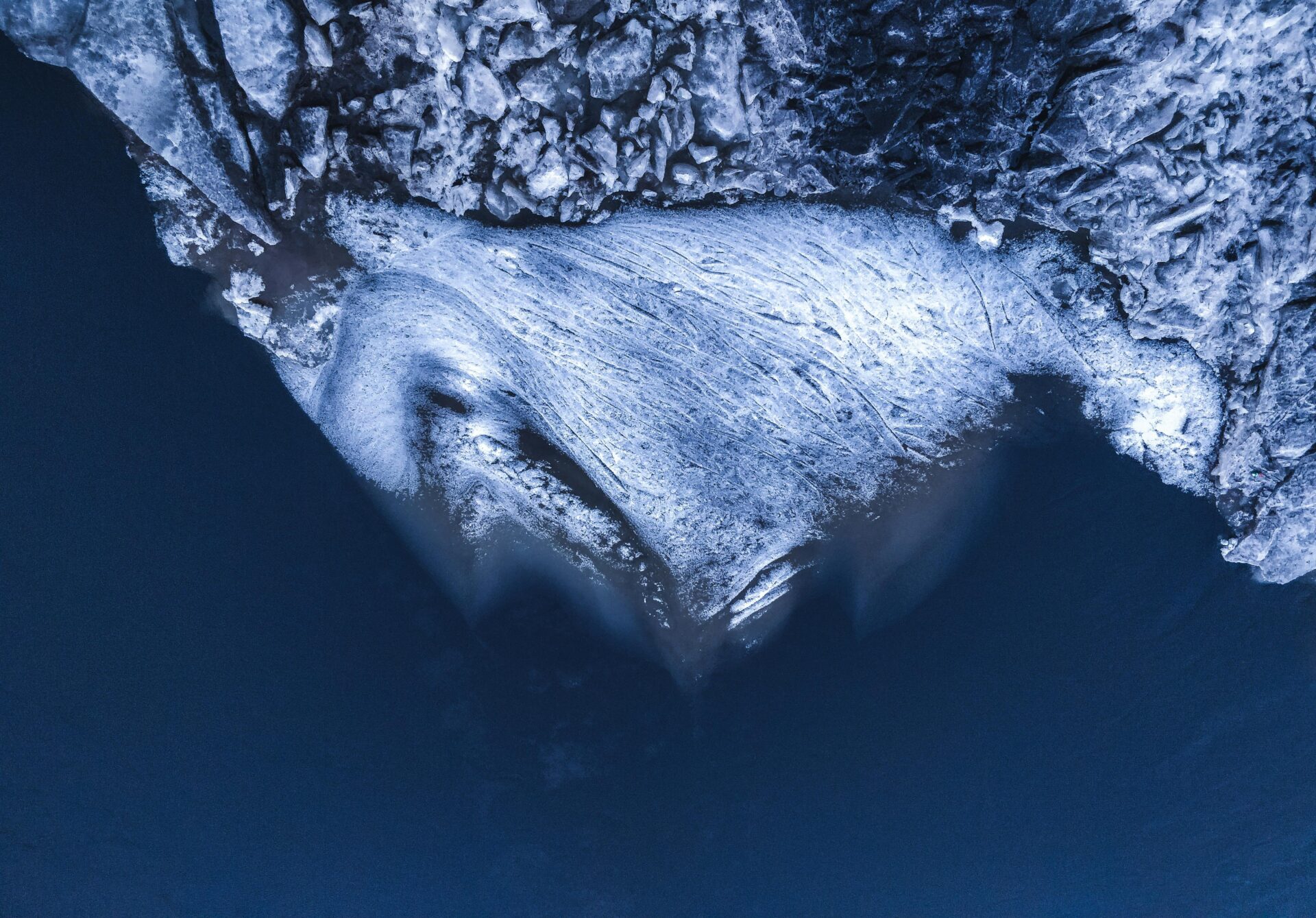
Antarctica by Helen Lee
This is a story about re-imagining Antarctica as a “being” with rights, and redefining our relationship with one of the last great wildernesses on Earth. It is also a story about mobilizing people of the world in defense of a living community that is vital to the health of our planet and establishing an innovative precedent for planetary-scale environmental justice.
“Enabling this entire region to retain functional health and integrity is in everyone’s interest. The best way to do that? Whilst not necessarily an end point, creating legal protection through rights of nature laws. Many successful templates of how this can be done already exist, for example, the Mar Menor lagoon in Spain. We simply need a critical mass of global support.” (Prof Nicholas King PhD, LLM. Environmental Futurist, Global Change Analyst & Strategist, South Africa)
Now officially launched, the Alliance is finalising an Antarctic Declaration that sets out Antarctica’s rights and the corresponding duties on humans. The routemap will be to seek formal legal recognition for Antarctica as a self-governing entity, with representation in international decision-making. Media coverage has been growing, and a Motion on the Recognition of the Rights of Antarctica was adopted earlier this year by the IUCN World Conservation Congress (2025).
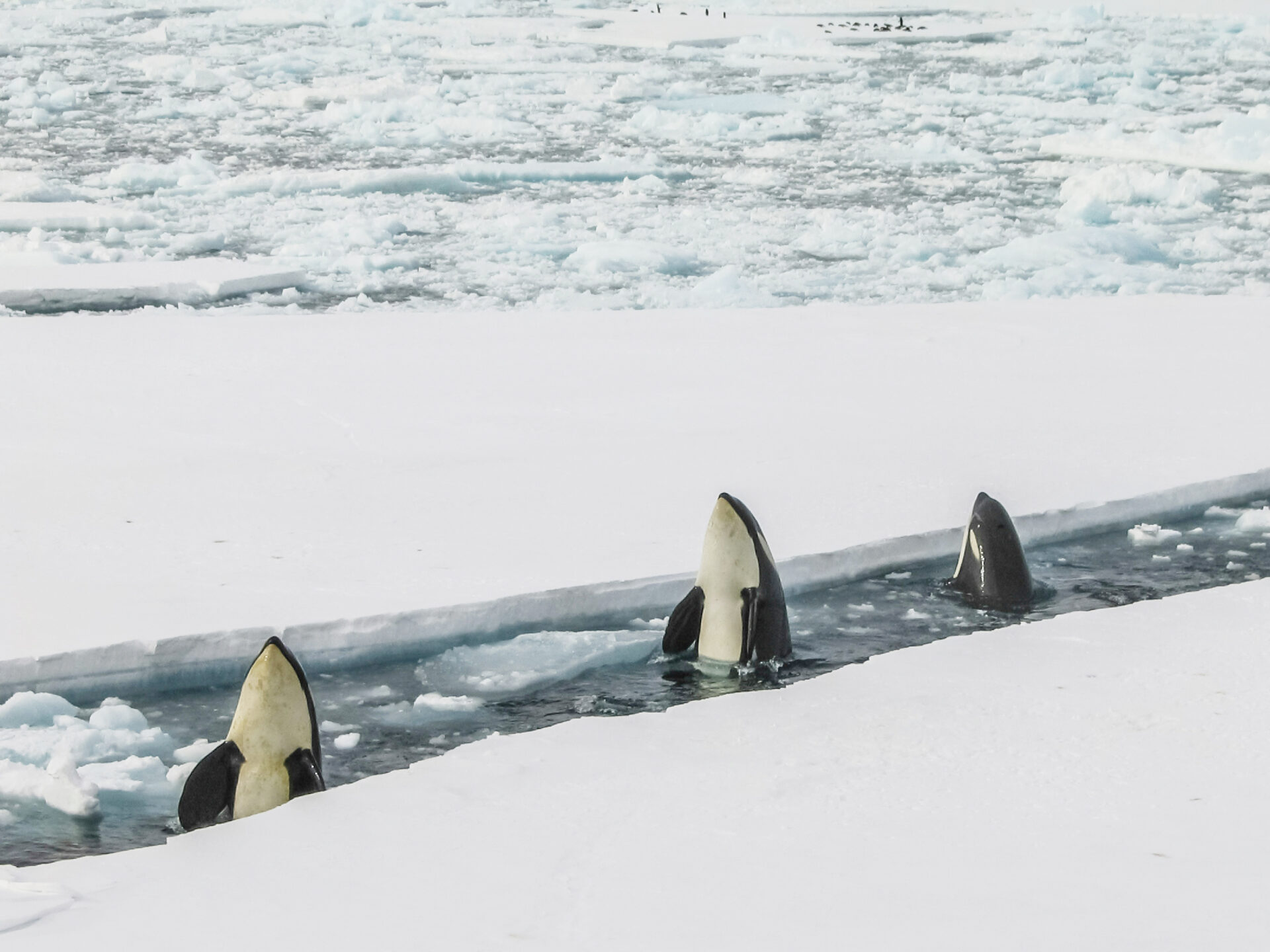
Killer Whales Spyhopping by Bryan-Goff
A year from now, the intention is to host a special event in Cape Town, South Africa, and Global Signing of the Declaration. In the lead-up, all those interested, whether individuals or organizations, are invited to endorse the declaration and amplify Antarctica’s voice through creative, educational, and scientific initiatives.
Recognizing Antarctica as an international Entity and a being with the right to flourish would focus scientific research on determining, and advocating for what is best for Antarctica instead of prioritizing national interests. The alliance believe that, as with legal guardians for children or rivers, practical representation of Antarctica is not only feasible but essential to enforceable accountability for activities that violate Antarctica’s rights.
It is up to us to ensure that Antarctica does not become humanity’s greatest collective failure, but rather the place where we finally learned to care for our shared home. (Dr Miguel Salazar, Associate Researcher, Centre for International Studies, Paris.)