
Every other month, we collate Earth-centred inspiration from around the world; if you would like to receive updates like the below straight to your inbox, sign up here.
Greetings dear friends,
In a world of noise, it can be hard to listen. And yet, the Earth is speaking to us in every moment, whether through the caress of the wind or the caw of a crow or the wheeling constellations.
“if we do not hear the voices of the trees, the birds, the animals, the fish, the mountains and the rivers, then we are in trouble… That, I think, is what has happened to the human community in our times. We are talking only to ourselves. We are not talking to the rivers, we are not listening to the wind and stars.” Thomas Berry
Our opening newsletter of the year celebrates communities who are attuning themselves, like fine instruments, to the rhythms of the land; listening with their whole bodies. From the Kenyan clans reviving their biocultural diversity to the myriad communities seeking recognition of the rights of their beloved kin: humans across our living planet are rekindling what Thomas Berry named the “Great Conversation”.
This is surely the work of our time: to restore these relationships; to reweave ourselves thread-by-thread back into the web of life; to re-member. And, as we are reminded by Indigenous leader Ailton Krenak, we cannot do this work alone; we are called to cultivate long-term “affectionate alliances” as we walk this path of healing together.
In alliance and with affection,
Carlotta Byrne, on behalf of the Gaia Team
African Earth Jurisprudence Collective
New film: ATHARAKA
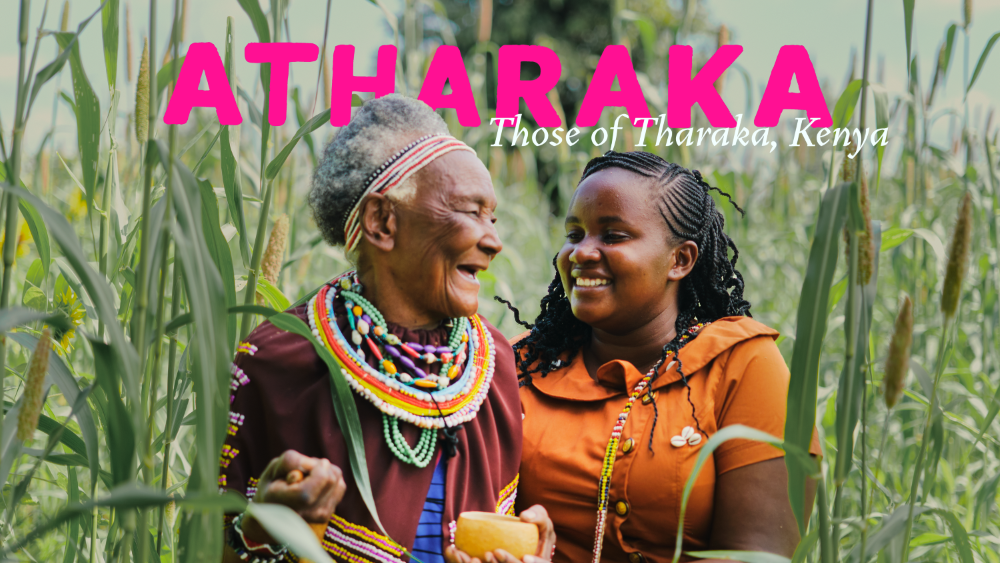
What does it mean to be of a place? Of the sun and soil and bees, of the river and black ants and cowpeas? To be so entangled with an ecosystem, generation after generation, that nature and culture become one?
In December, we launched our latest short film – ATHARAKA – which speaks to this most fundamental of questions. Meaning ‘those of Tharaka’, it follows Kenyan clans bringing the ecological and cultural diversity of their ancestral lands back to life, singing and dancing with the luminous joy that emerges when we remember we’re of a place: stardust, seed husks and all. Magicked into being by artist Andy Pilsbury, and inspired by the Society for Alternative Learning and Transformation (SALT), you can enjoy the film here.
Eco-Cultural Mapping in Zimbabwe
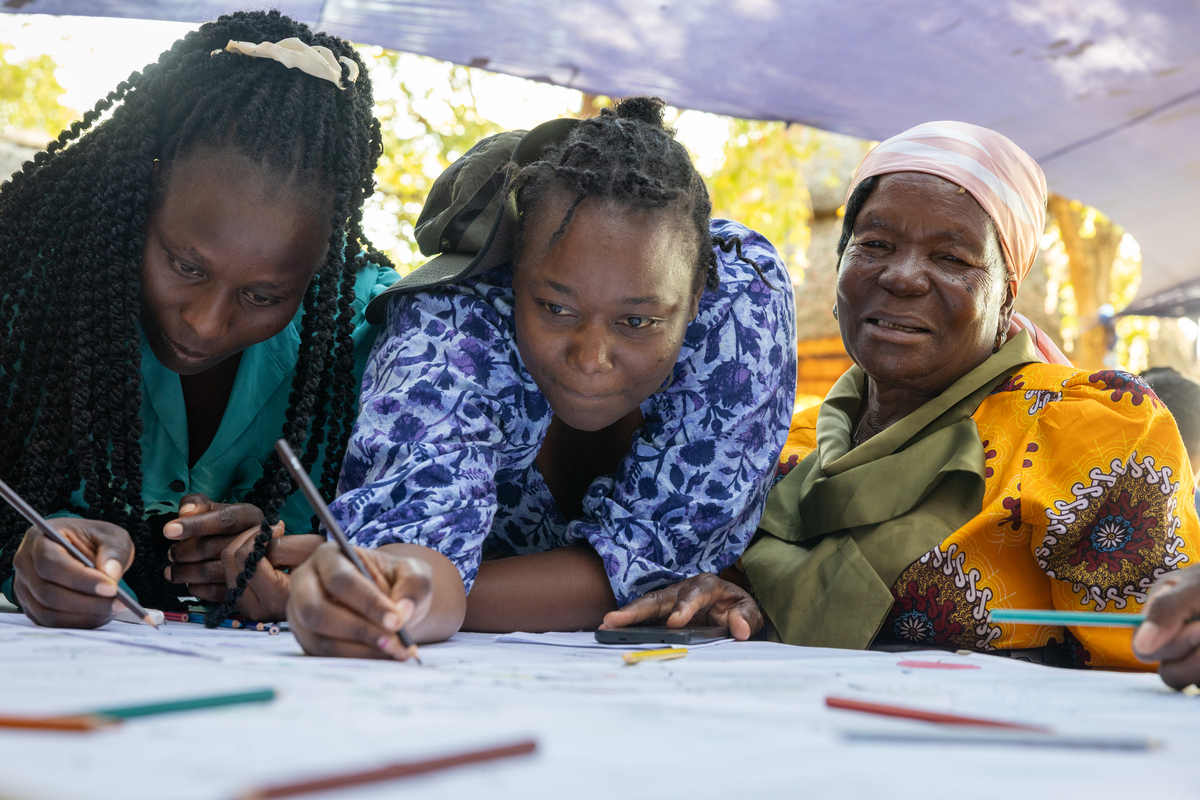
Tracking Moon cycles, the wheeling dance of constellations and the language of weather patterns. Charting forests, rivers, wetlands, grazing areas and sacred natural sites. In October, the Chirorwe and Mutsinzwa communities in Southeast Zimbabwe came together to map their ancestral territory and seasonal calendar. This ritualised mapping process follows many years of community dialogues to revive pre-colonial memories of how elders and ancestors attuned to the land. These maps and calendars depict the original order and natural cycles of the territory, and the ecological indicators that would guide when to plant, harvest, hunt, forage and practise rituals. Together, they offer the communities a revitalised vision of how they might once again fall into rhythm with the ecosystems to which they belong.
Beginning the Year with Ancestral Wisdom
“[A]s headlines fill with predictions about the rise of artificial intelligence, could a different kind of AI – ‘ancestral intelligence’ – offer insights equal to the depth of the climate and biodiversity crises we now face?” In this conversation from the Outrage + Optimism podcast, Christiana Figueres sits down with founding member of the African Earth Jurisprudence Collective, Chief Atawévi Akôyi Oussou Lio, to explore a relationship with the living world grounded in belonging rather than dominance, and reciprocity rather than extraction.
Ecological Governance
Governance as if the Earth Mattered
Ashish Kothari and Shrishtee Bajpai argue that the “Rights of Nature framework is limited by its legalism. Earthy Governance, practised by indigenous communities, goes further: it decentralises power and brings the voices of nature directly into community decision-making….it is essential to learn from peoples and communities who still practice and live it, recognising their collective territorial rights, self-determination, and the pluriverse of ways of life they demonstrate.”
Rights of Nature Developments
Recognising Earth’s most critical ecosystem
December 1st marked a critical moment in advancing Earth-centred governance for the world’s southernmost area: Antarctica. Through music, poetry, art and debate, individuals and organisations from Amsterdam to San Francisco, Cape Town to Auckland, the Pacific Islands and beyond, heralded the launch of The Antarctic Rights Alliance. “The routemap will be to seek formal legal recognition for Antarctica as a self-governing entity, with representation in international decision-making.”
Protecting ancient pollinators
Later in the month, stingless bees in the Peruvian Amazon – the planet’s oldest bee species – were recognised as rights-bearing subjects by the second of two ordinances. “Already, a global petition by Avaaz calling on Peru to make the law nationwide has reached more than 386,000 signatures, and there has also been strong interest from groups in Bolivia, the Netherlands and the US who want to follow the municipalities’ examples as a basis to advocate for the rights of their own wild bees.”
Defending Ecuador’s endemic toad
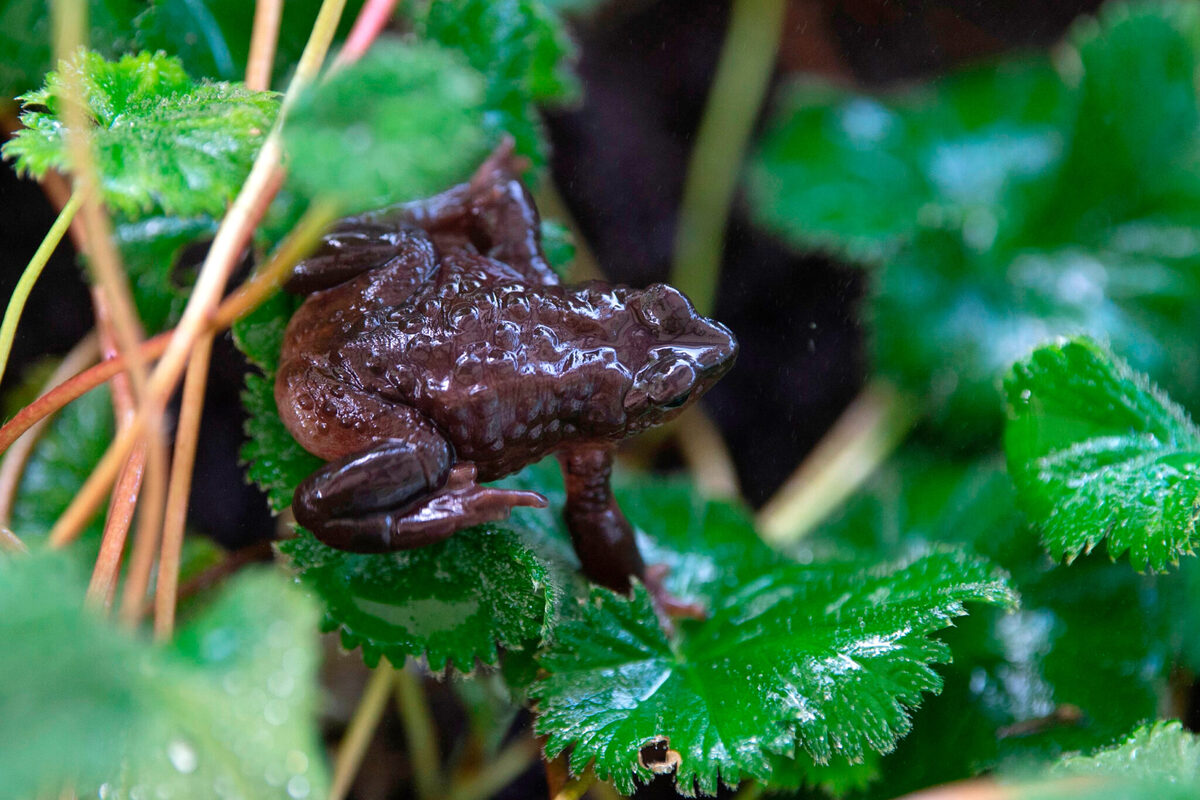
2026 opened with an Ecuadorian court suspending a highway project to protect the rights of the Jambato harlequin toad – a species found only in Cotopaxi province. “It is not immediately clear whether provincial authorities will comply with the court’s order—locals in Angamarca reported that officials moved heavy machinery to construction sites earlier this week.”
Declaring whales as ancestral beings
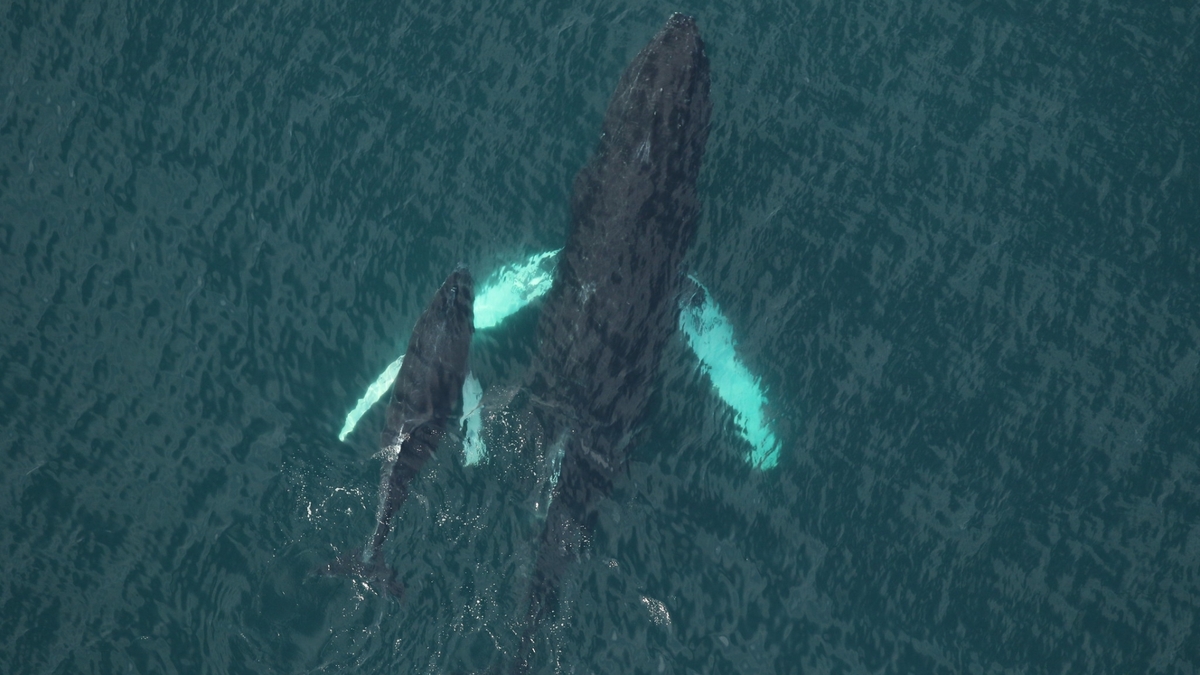
This February, Indigenous leaders from across Polynesia released a declaration recognising whales as legal persons and ancestral beings, proposing “a whale protection fund,… a pathway for implementation and…measures to protect whales through marine protected areas and management strategies that integrate Indigenous knowledge and scientific data. Polynesian nations and ‘other interested parties’ are invited to adopt the declaration and help carry out its objectives.”
Application to the African Court on Human and Peoples’ Rights
Also this month, a coalition of African civil society organisations based in Angola, Ghana, Kenya, Nigeria, South Africa and Uganda submitted an application to the African Court on Human and Peoples’ Rights to participate as amicus curiae in a landmark climate-related advisory opinion. “If admitted, this amicus curiae participation would enable the African Court to articulate a distinctly African contribution to global climate jurisprudence – one that honours ancestral wisdom, affirms ecological interdependence, and recognises Nature as a bearer of rights.”
Reflecting on advancements in the UK
And looking back on the past solar cycle, the UK Rights of Nature Network has released its 2025 Annual Review, reflecting on a year of transition — “from believing in Rights of Nature, to beginning the careful work of embedding it in governance, institutions, and practice. It’s a story of relationship-building, experimentation, vulnerability, and learning — and of a small but growing ecosystem of people working across law, policy, culture, research, and community action.”
Listening to the Land
Learning to Listen to Plants
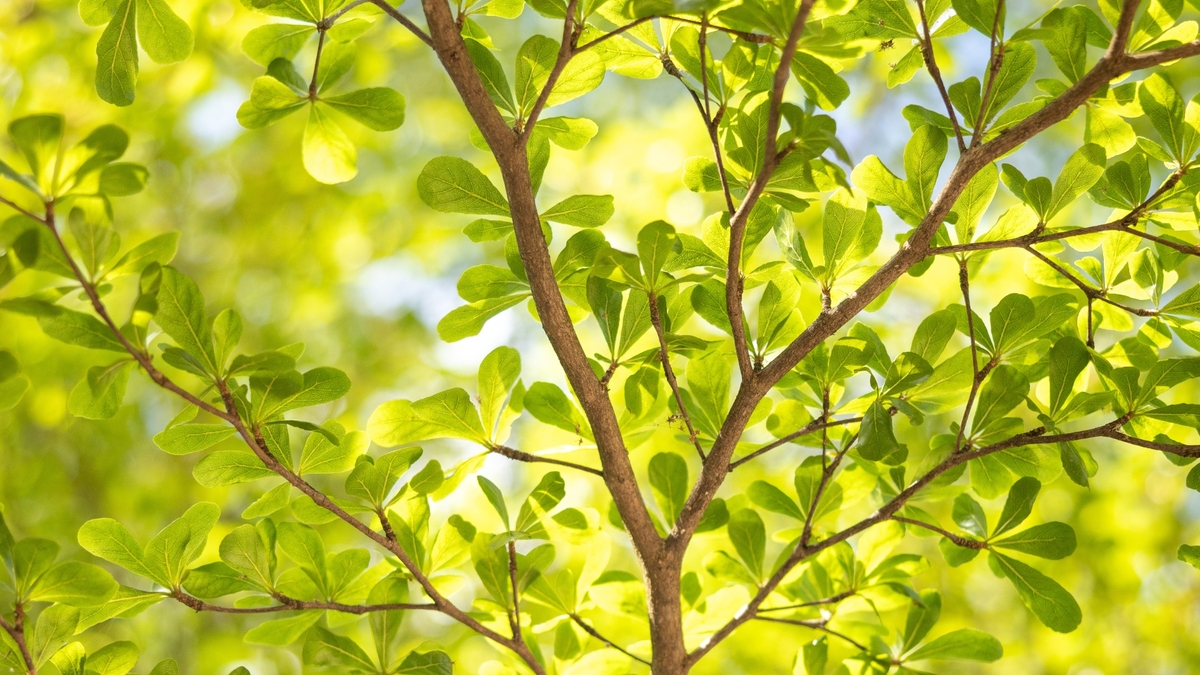
Emergence Magazine shares this fascinating conversation with a once “plant blind” scientist who has been learning to listen to plants through a series of life-changing encounters. “Working with knowledge imparted by plants through dreams, visions, and sensations, scientist Monica Gagliano offers a real-world example of what reimagining scientific knowledge can look like. In this conversation, she speaks about how her groundbreaking research on plant communication and cognition has evolved as she has nurtured a relationship of reciprocity and trust with the plants she studies”.
Reflections on Democracy, More-Than-Human Agency and Connection
Lakshmi Venugopal and Shrishtee Bajpai share their explorations of the ways in which communities have weaved more-than-human beings into their democratic and governance practices for generations, and how this might guide a growing interest within Western cultures in the inclusion of including more-than-humans in deliberative and participatory processes. “Rather than bringing nature into our decision making, we have to embed and reattune.”
Conversations with the More Than Human World
This inspiring session from the 2026 Listening to the Land Day at the Oxford Real Farming Conference brings together plant, animal and landscape communicators, scientists and growers. Jon Young, Monica Gagliano, Andrea Catalina Falcón and Patrick Macmanaway share life-changing experiences of ‘listening to the land’ and how we might all attune ourselves to the diverse voices of the wider web of life. Monica Gagliano offers the image of the human body as an instrument. “If it is correctly tuned,” she shares, “it can listen to the land and its inhabitants.”
Affectionate Alliances
Working together with care
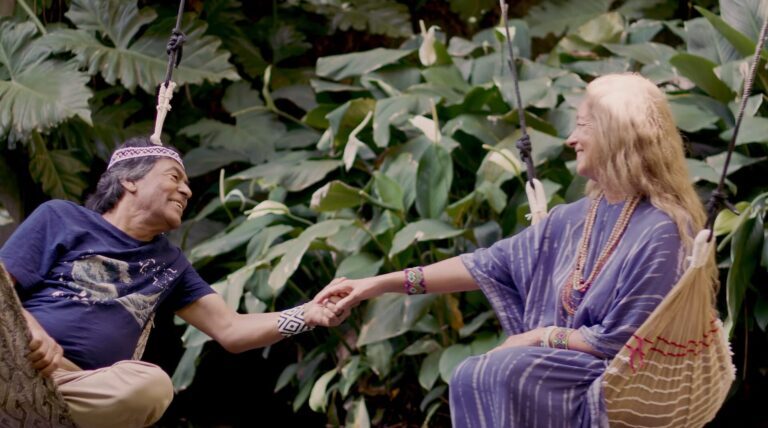
In another turn of the spiral, Gaia’s Liz Hosken and Indigenous leader Ailton Krenak come together again and look back on four decades of friendship. “Ailton emphasised the importance of building ‘affectionate alliances’ between Indigenous Peoples and those from the dominant world who are concerned about the critical condition of life on our planet. Indigenous Peoples, he said, cannot hold the responsibility of protecting life alone. They need allies, willing to work together with care, on this long healing journey. This was the seed of The Gaia Foundation, through which we could walk alongside each other in our common commitment to protect the forest and indigenous lifeways. It opened a way for restoring the memory of who we are – Earthlings, first and foremost.”