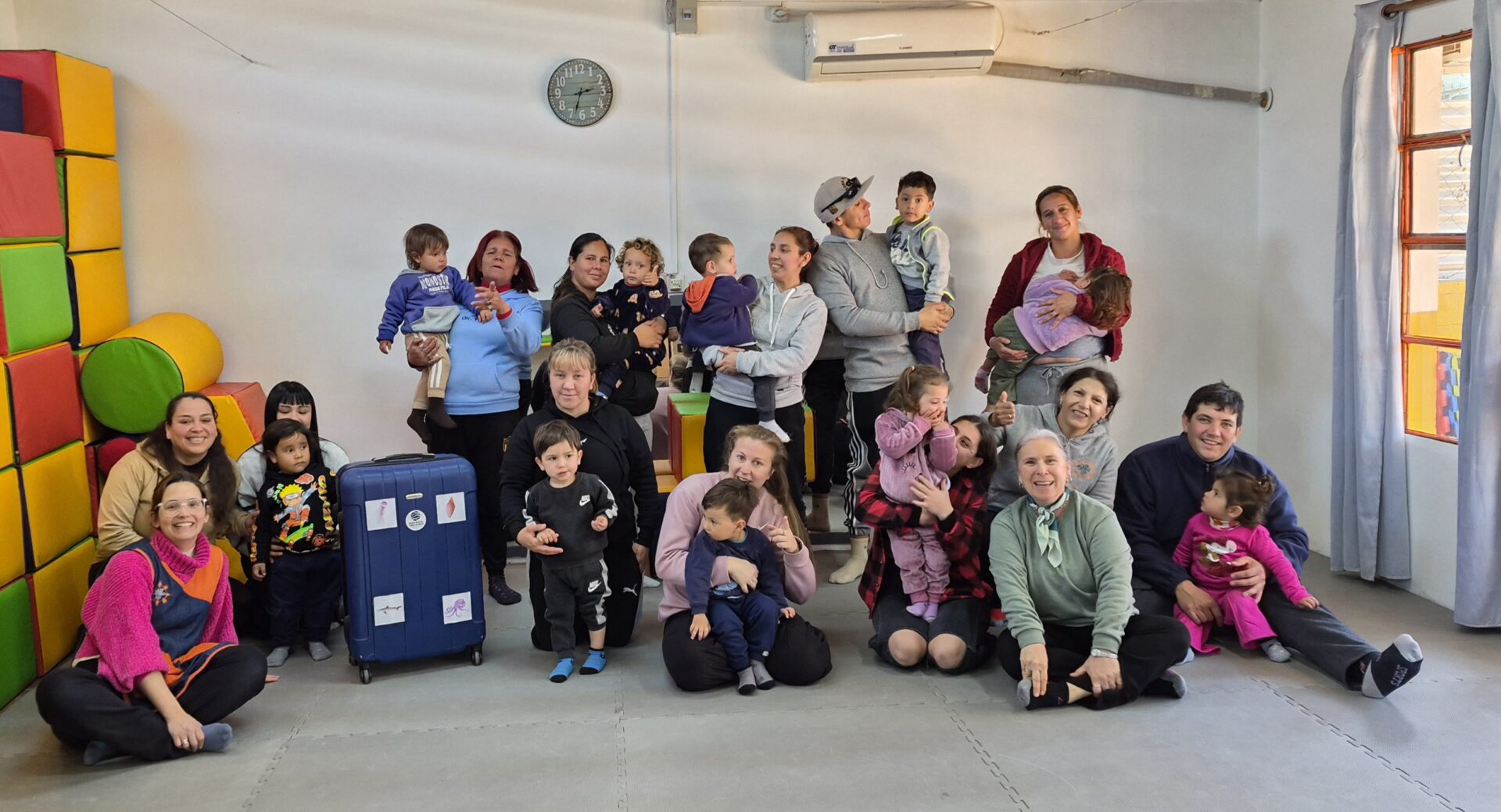
Gaia’s Fiona Wilton works with Mar Azul Uruguayo along Uruguay’s Atlantic coast, and shares news of a suitcase inspiring the next generation to fall in love with life below water…
When a child falls in love with the ocean, they want to protect her. It starts with curiosity. That can spark a lifelong passion for marine conservation, even amongst children who have yet to know the sea. Their awe and wonder can drive adult activism.
That belief lies at the heart of a beautiful ocean literacy initiative that is starting to roll-out in Uruguay.
Fostering a deep understanding and inspiring a love for the ocean, is what drove Laura Perez, a primary school teacher-trainer and mother of three, to develop ‘A Sea of Books’. Living with a marine biologist, she had long noted a gap in materials, for children and adults, that invite a deeper connection with the sea – especially for those living far from the Atlantic coast. Thus began the dream of travelling kits stuffed with books and games that captivate imagination and interest in the ocean, for infants and pre-schoolers.
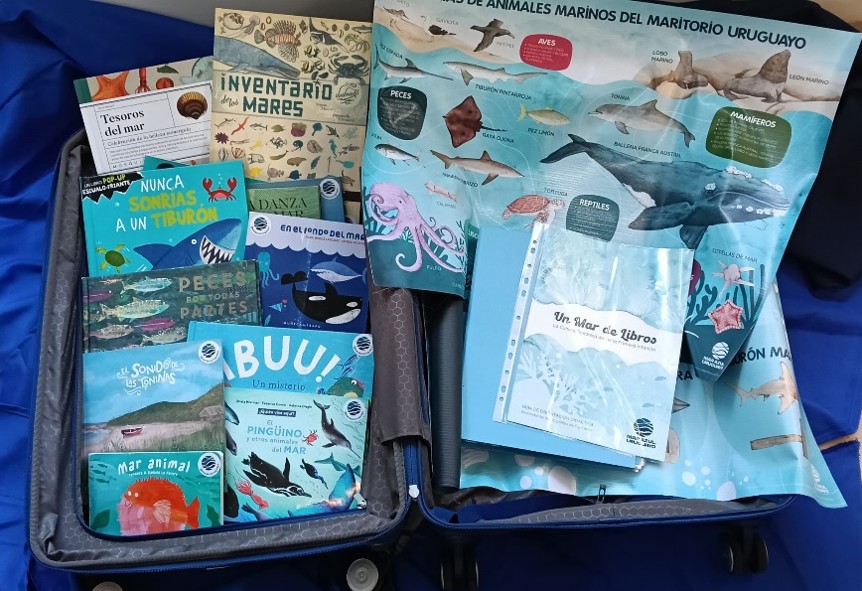
Known as the ‘Valijas Azules’ (which translates as ‘blue suitcase’, and yes, the materials are literally packed into sea-blue suitcases) each kit includes more than 20 books about the ocean and marine life – rich with illustrations, suited for infants. Poetry, stories, pop-ups and naturalist books, they cover a range of literacy styles. Hand-picked books and games relate to life above and below the surface of the Southwest Atlantic ocean that shapes the coast of Uruguay, rather than tropical clownfish or manatees.
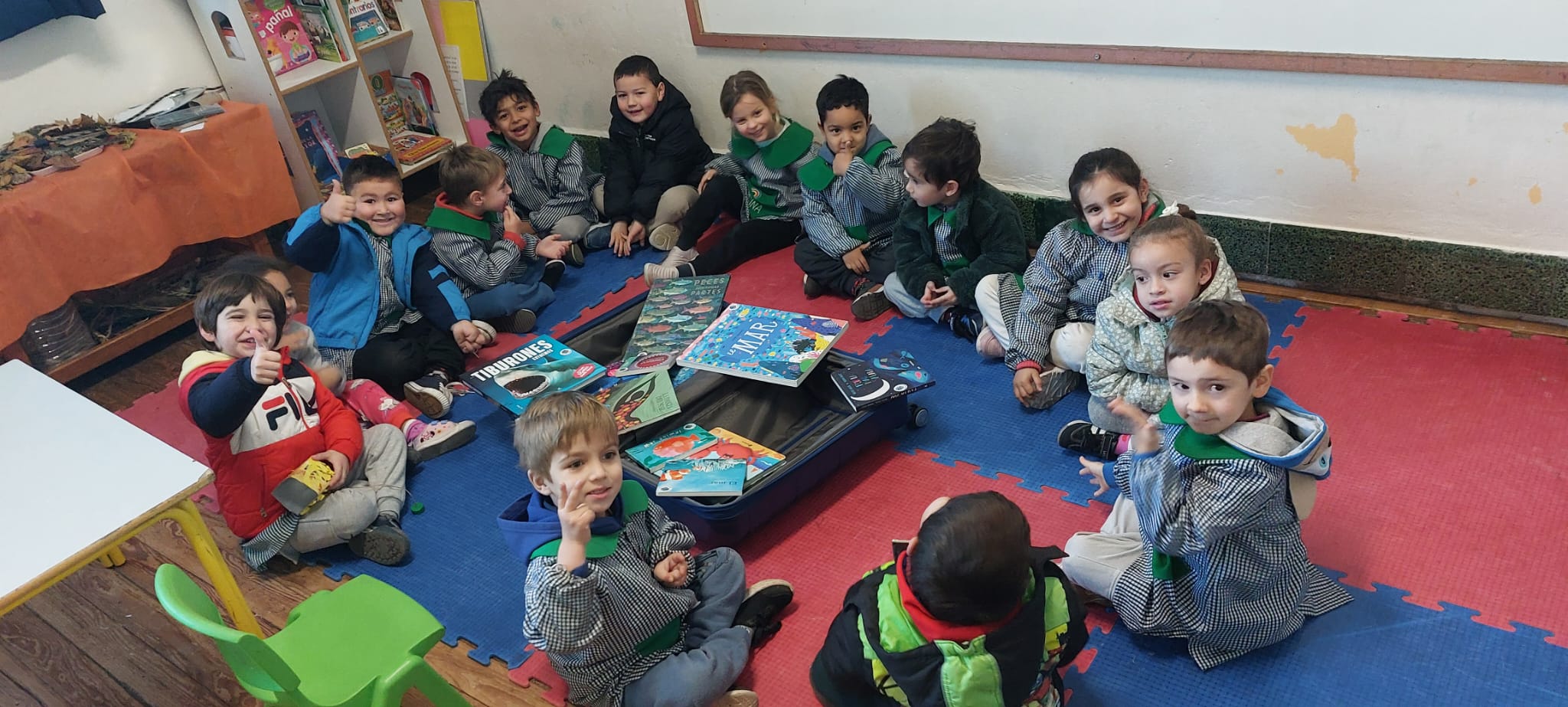
For early years and pre-school teachers the ‘Sea of Books’ provides a wonderfully immersive and crucial theme for exploring marine life. It fosters a sense of wonder and curiosity about the ocean, encouraging empathy for sea creatures; a hands-on resource that teachers and educators can borrow, freely.
“As for the books, we think they’re brilliant. We have books about the deep sea, but they usually focus on values or conflicts, never on what the sea is like or the forms of life found there. We thought they were marvellous.”
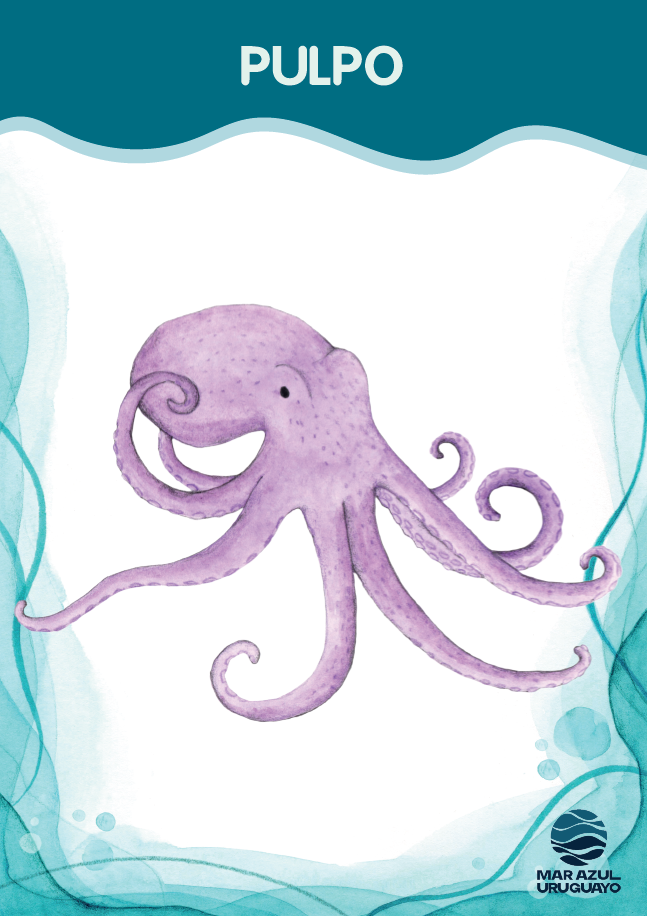
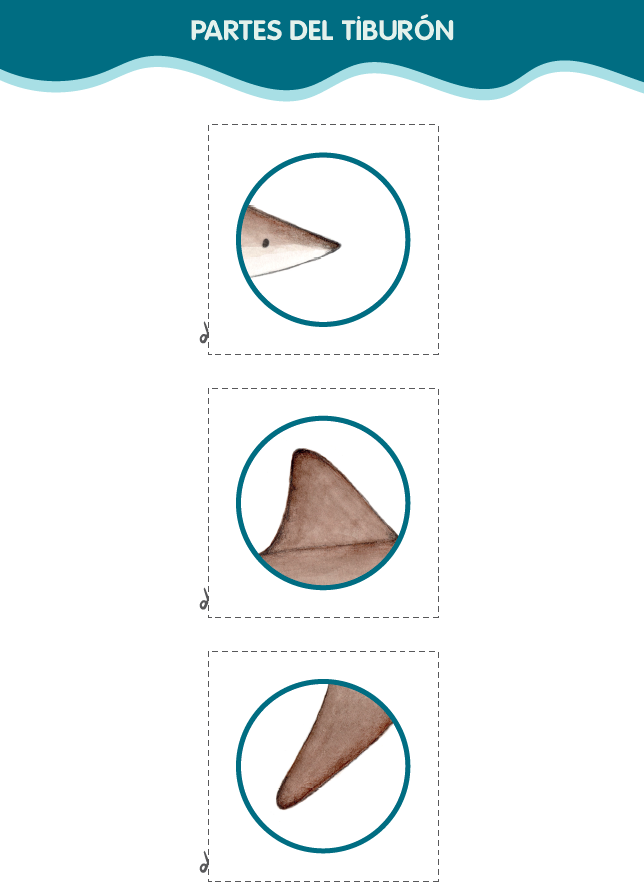
Uruguayan artist Genoveva Perez (no relation to Laura) was hired to illustrate a guide for teachers and adults, with ideas, songs, and creative activities. As well as colourful prints of jellyfish, starfish, crab and octopus, there is a particular focus on sharks, for which Uruguay is a marine hotspot.
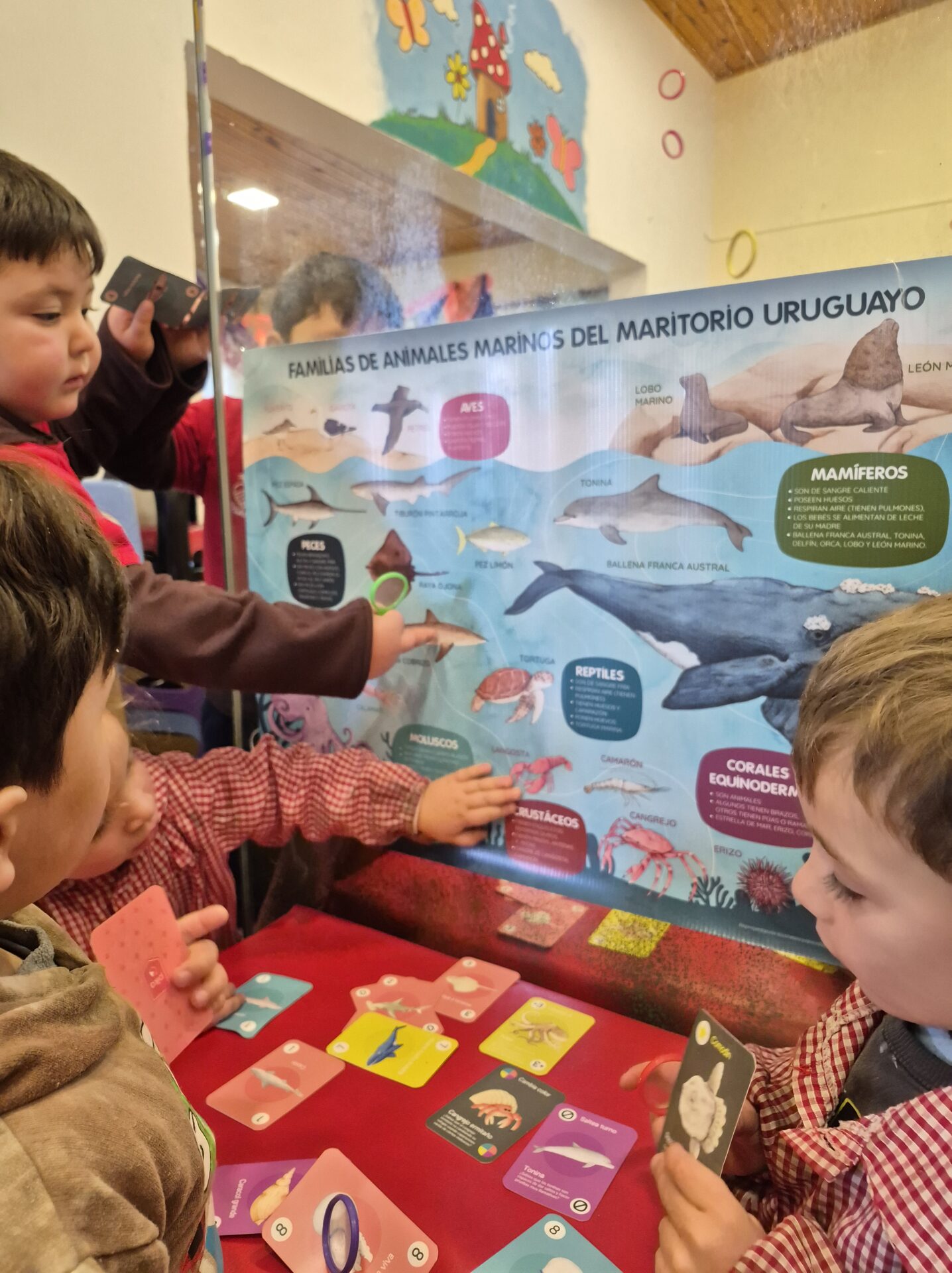
Teachers often want to bring the ocean into class, but lack time, materials or confidence. The ‘valijas azules’ are designed to make the ocean easy for teachers. Materials are curated and specifically tailored to connect with national guidelines for infant teaching. Some teachers even incorporate materials from the travelling kit into lessons on language, maths or physical expression.
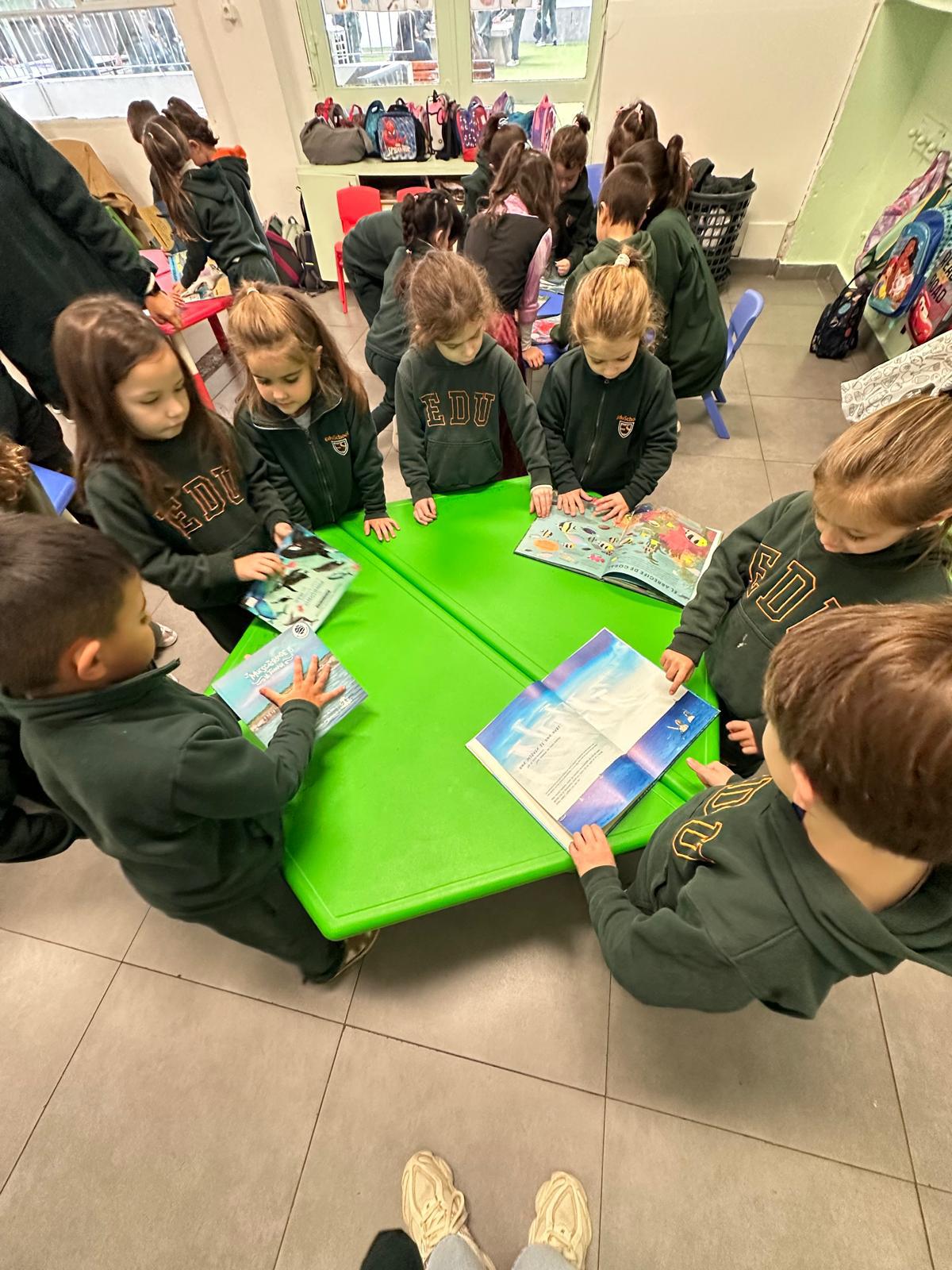
“The children are absolutely fascinated by the books. We began by letting them explore the books freely. We then worked with the illustrations of animals from the Uruguayan marine environment. The children were able to recognise and name them. We explored describing animals. We explored the textures of the skins of different marine creatures through sensory activities.”
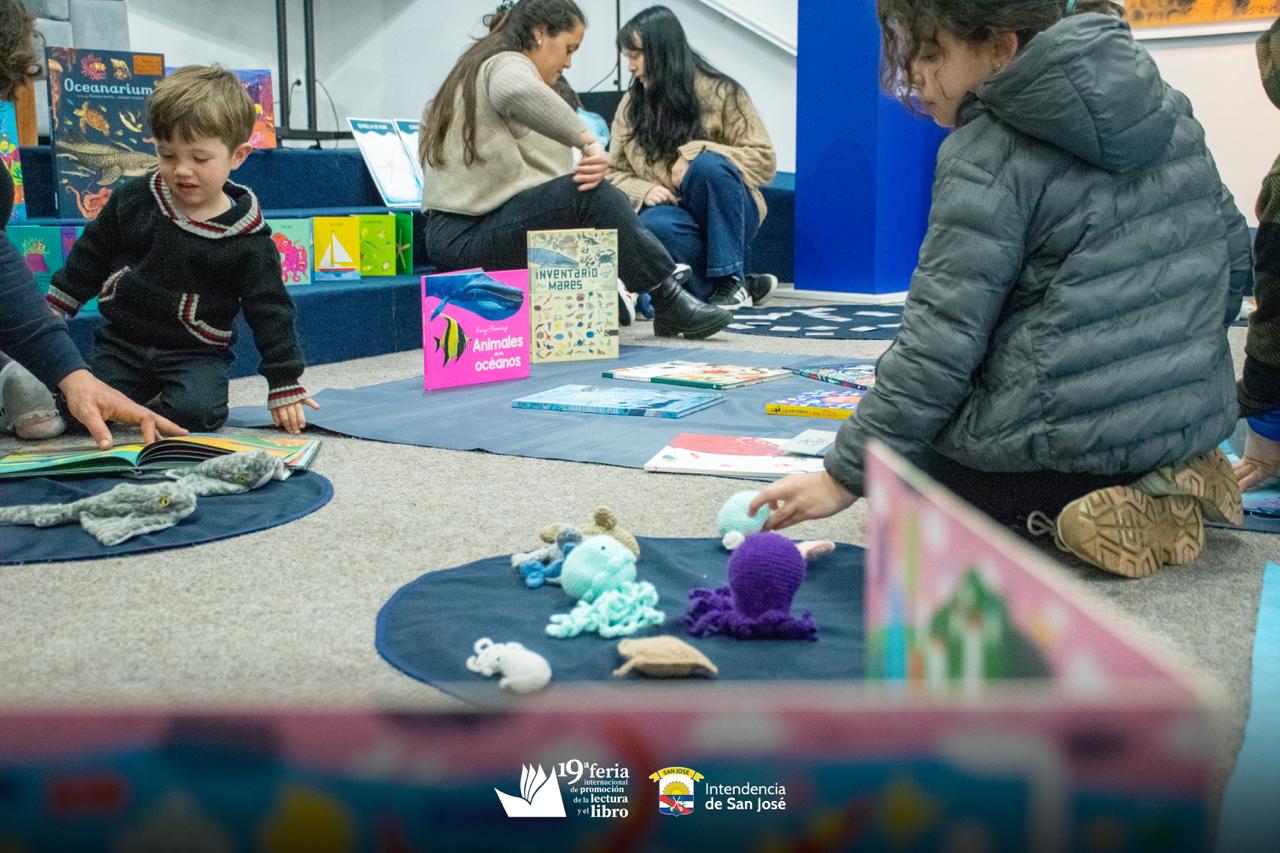
Over the course of April to September, two suitcases travelled 1,908 km. Nine teachers, five schools and nearly 150 children have so far enjoyed their immersion into the ocean. From Fray Bentos to Montevideo, Mercedes, Rosario, Colonia del Sacramento, and back again. From large private schools to small private nurseries, and state schools in the interior of the country. Borrowing a travelling kit is completely free and includes free shipping and return shipping to anywhere within Uruguay. Teachers can contact Laura virtually and pose their questions.
A third is reserved for less conventional spaces, for the less-privileged, and at-risk families. Laura makes sure that one travelling kit reaches Childhood and Family Care Centres, where educators, psychologists and psychomotor therapists use the materials for reading and play sessions. This ‘blue suitcase’ has travelled 1,144km, reaching more than 140 infants.
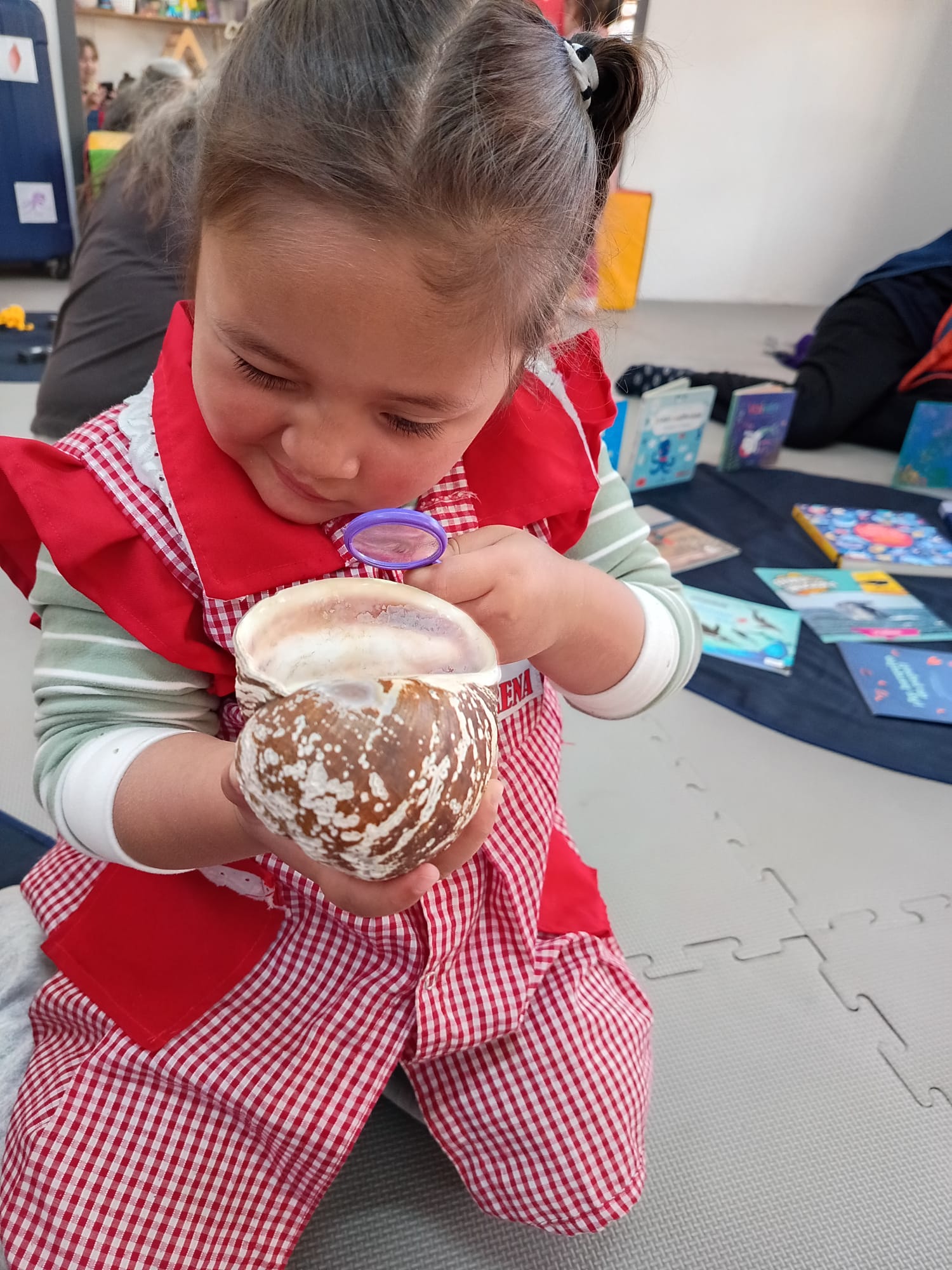
The logistics alone are a remarkable achievement. Yet the true significance of the ‘valijas azules’ extends far beyond the impressive numbers. The initiative recognizes a simple but powerful truth: today’s young children will inherit tomorrow’s ocean, and the choices they make will shape her future.
“The children are now identifying animals that they previously couldn’t recognise or used to confuse – for example, they can tell the difference between an octopus and a squid, they recognise a swordfish, and they can distinguish a whale from an orca.”
Right now, Uruguay’s Atlantic sea is being viewed only in extractive terms – a shipping route, a catchment area for rapidly depleting fish stocks, a patchwork of concessions for offshore wind and petroleum. The main port of Montevideo is used annually by hundreds of foreign (often illegal) fishing vessels. A new round of seismic testing is due to start in November 2026 despite public opposition. How different things might be if some of today’s decision-makers had felt the awe and wonder from A Sea of Books.